Abstract
Keywords: Flame-retardant RPUF; microencapsulated phase change materials; n-octadecane; thermal energy storage
Rigid polyurethane foam (RPUF) possesses excellent mechanical and thermal insulation properties, making it widely used in both industrial and domestic applications [1–3]. In recent years, with the rapid development of energy-saving technologies and the growing demand for efficient thermal regulation, relying exclusively on flame-retardant functionality makes RPUF inadequate for high-performance applications that require integrated thermal energy storage [4]. For instance, in building envelopes, substantial diurnal temperature variations often lead to excessive indoor temperature fluctuations, thereby increasing the energy consumption of heating and cooling systems [5]. Similarly, in transportation compartments, intermittent heat sources necessitate materials with temporary heat storage capabilities to maintain stable internal temperatures. Therefore, the development of RPUF with integrated heat storage performance has emerged as a key research direction for improving energy utilization efficiency [6–9].
Phase change materials (PCMs) are efficient energy storage materials capable of absorbing or releasing substantial amounts of latent heat while maintaining a nearly constant temperature during phase transition [6,8,9]. Among them, organic PCMs such as n-octadecane (C18) have attracted considerable attention due to their suitable phase change temperature (approximately 28°C), which aligns well with the temperature range for human comfort and equipment operation, as well as their favorable chemical stability. However, during thermal energy storage, n-octadecane undergoes a solid–liquid phase change, resulting in severe liquid leakage. This leakage not only compromises the effective heat storage capacity of the PCMs but also undermines the structural integrity of RPUF, thereby restricting the direct application of PCMs into RPUF matrices. Microencapsulated phase change materials (MEPCMs) are PCMs encapsulated within minute capsules, which effectively mitigate leakage, agglomeration, and other issues associated with the direct use of PCMs in RPUF [10]. Paraffin, a representative solid–liquid PCM, is widely used owing to its excellent phase change performance and cost-effectiveness. Nevertheless, it remains susceptible to leakage when the temperature exceeds its phase transition point. To address this challenge, significant progress has been made in MEPCM technology in recent years [11–13]. For instance, Liu et al. [14] designed microencapsulated phase change materials (MPCMs) with an n-docosane core and a CaCO3/Fe3O4 composite shell to enhance the efficiency of solar photothermal energy conversion, storage, and reuse. Chen et al. [15] reported a one-step synthesis of ODE@cellulose–silica MPCMs for application in waterborne self-healing composite protective fabric coatings. Moreover, Qu et al. [16] prepared polyurethane foam composites with thermal energy storage capability using n-octadecane as the core material and polymethyl methacrylate (PMMA) as the shell. Notably, the polyurethane shell of the microcapsules is chemically identical to the RPUF matrix, ensuring excellent compatibility between the MEPCMs and the matrix. This chemical similarity promotes strong interfacial bonding through mechanisms such as hydrogen bonding, thereby minimizing phase separation and agglomeration while enhancing the overall stability of the composite [17–20].
Although progress has been made in the development of PCM-modified RPUF, most existing studies employ pure RPUF as the matrix, neglecting the flame retardancy requirements demanded by practical applications such as construction and transportation. Specifically, the challenge lies in achieving a robust “dual-barrier” structure that suppresses leakage while maintaining an optimal balance between high-capacity thermal storage and structural integrity, which is a trade-off that often leads to material failure in conventional designs. In our unpublished preliminary work, a flame-retardant RPUF achieving B2 classification was successfully prepared by incorporating 12.5 wt% expanded graphite (EG) and 2.5 wt% aluminium hydroxide (ATH) into the RPUF matrix, yielding a LOI of 27.4%. Building upon this, the primary objective of the present study is to further enhance the thermal energy storage performance of this flame-retardant RPUF system. To date, few reports have addressed the optimization of thermal storage performance in flame-retardant RPUF composites. Several key issues remain to be resolved, including how to balance thermal storage capacity with the inherent mechanical properties of the foam, how MEPCM content influences thermal storage efficiency, and whether stable latent heat absorption and release can be maintained within the flame-retardant matrix [21,22]. To address these issues, this study aims to incorporate MEPCMs into the flame-retardant RPUF matrix and systematically evaluate the resulting composites in terms of flame retardancy, thermal energy storage performance, mechanical properties, and leakage resistance, providing a comprehensive solution and theoretical basis for the design of multifunctional insulation materials in complex thermal environments.
2.1. Raw materials and reagents
The polyether polyol (4110) used in this study was supplied by Jiahua Chemical Co., Ltd. (Fushun, China), with a hydroxyl concentration ranging from 430–470 mg KOH/g (a median value of 450 mg KOH/g was adopted for the experiments). Triethylenediamine (A-33) and fluorodichloroethane (HCFC-141b) were obtained from Dalian Lan Hai Jie Chu Polyurethane Insulation Waterproof Co., Ltd. (Dalian, China). Polyisocyanate (PAPI) was obtained from Jiahua Chemical Co., Ltd. (Fushun, China), with an equivalent concentration of 125 g/mol. Dibutyltin dilaurate (T12) was sourced from Beijing Stable Chemical Co., Ltd. (Beijing, China). Pentafluorobutane (HFC-365mfc) was supplied by Körting Hannover (Hanover, Germany). Distilled water (H2O) was purchased from Shandong Leilin Trading Co., Ltd. (Shandong, China). Silicone oil (SD) was obtained from Jiahua Chemical Co., Ltd. (Fushun, China). EG80 (with a particle size of 80 mesh) was supplied by Nanjing Grefeng Carbon Material Co., Ltd. (Nanjing, China). ATH was obtained from Shanghai Macklin Biochemical Technology Co., Ltd. (Shanghai, China). The MEPCMs, consisting of n-octadecane as the core material and polyurethane as the shell material, were provided by Hebei Ruosen Technology Co., Ltd. (Hebei, China). According to the supplier, the MEPCMs have the following specifications: (a) core/shell mass ratio of 8:2; (b) average particle size of 15 μm, with a size distribution ranging from 5 to 25 μm; (c) phase change temperature of approximately 28°C and phase change enthalpy of approximately 180 J/g for the pure MEPCMs; and (d) supplier-reported specifications include an encapsulation efficiency >90% and a bulk density ranges from 0.9 g/cm3 to 1 g/cm3.
2.2. Preparation of the thermal energy storage RPUF
The foam samples were prepared using a free-rise foaming process. Polyether polyol, catalysts, blowing agents, distilled water, silicone oil, and flame retardants were sequentially added into a 450 mL paper cup according to the formulations detailed in Table 1. The mixture was then stirred at 50 r/min for 10 s using an electric stirrer, during which polyisocyanate was finally added. Subsequently, the paper cup was quickly transferred into a constant-temperature mould at 40°C to facilitate foaming. After solidification, the samples were placed in an oven at 80°C for 24 h for ageing. Finally, the aged samples were conditioned at room temperature for 72 h to obtain the final product. Photographs of the flame-retardant RPUF with varying MEPCM contents are presented in Figure 1.
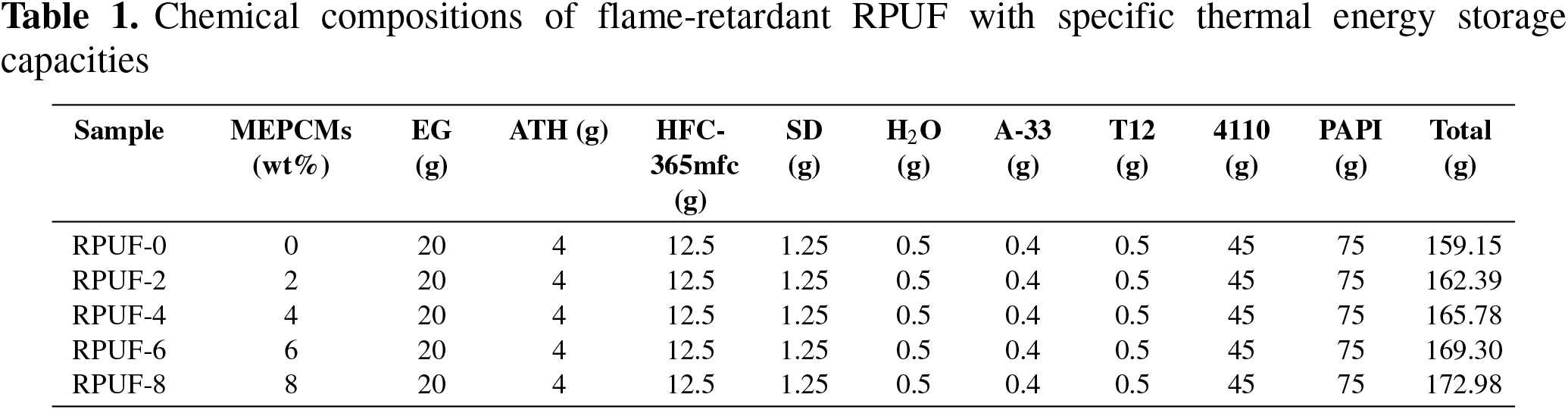
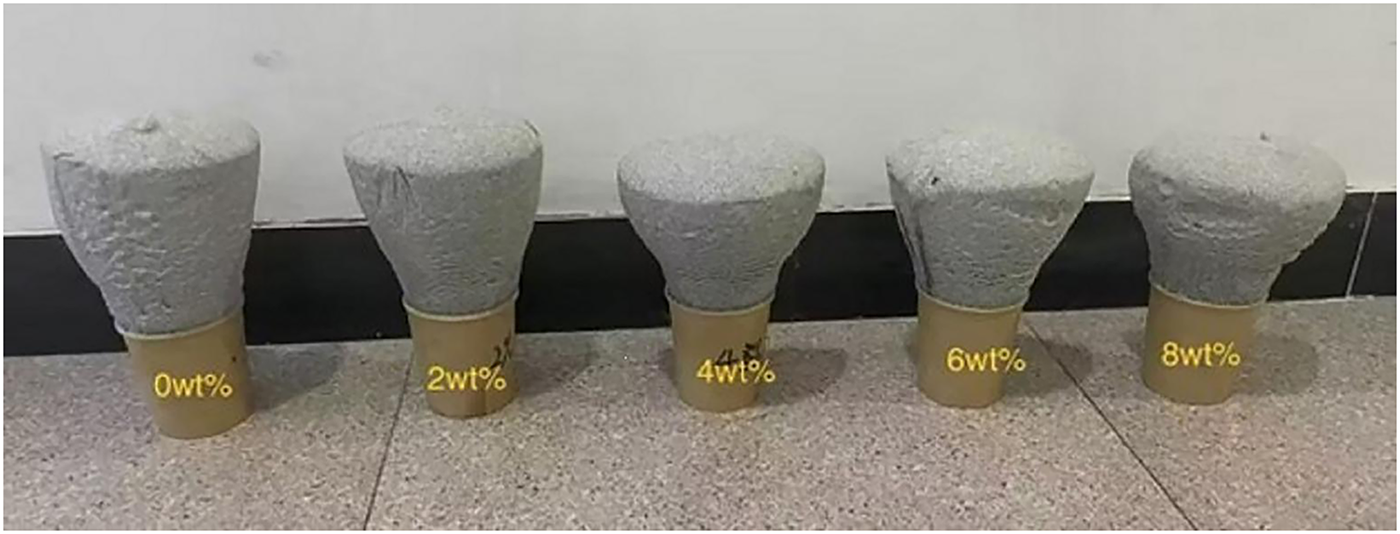
Figure 1. Photographs of flame-retardant RPUF composites with varying MEPCM contents
2.3. Test and characterization
The LOI values were measured using a PX-1-005 LOI Tester (Phoenix Co., Ltd., China). Each sample was machine-cut into dimensions of 100 mm × 10 mm × 10 mm. The LOI value was determined as the minimum oxygen concentration in an oxygen–nitrogen mixture required to sustain combustion of the specimen. All experiments were performed in triplicate (n = 3) for each formulation, and the results are reported as mean ± standard deviation (SD) unless otherwise specified.
2.3.2. Surface morphology observation
The morphology of the polyurethane foam was examined using a G360 scanning electron microscope (SEM) (Zeiss, Germany). Owing to the non-conductive nature of the foam samples, the specimen surfaces were sputter-coated with a thin layer of gold prior to imaging to enhance conductivity.
The average cell size was determined from the SEM images using the mean linear intercept method. For each formulation, five SEM images were taken from different regions of the foam sample. For each image, three random lines were drawn, and the number of cells intersected by each line was recorded along with the total line length (resulting in 15 intercept measurements per sample). The average cell diameter was then calculated by accounting for the SEM magnification and applying a shape correction factor of 1.35 to convert the mean chord length into the mean diameter for approximately spherical cells as recommended by standard stereological methods for closed-cell foams. The final cell size was reported as the mean ± SD based on all measurements from the five images.
2.3.3. Compressive strength analysis
The compressive performance was evaluated using a WDY-2 compression testing machine (Jinan Start Testing Technology Co., Ltd., China). Cubic specimens with dimensions of 30 mm × 30 mm × 30 mm were tested at a constant crosshead displacement rate of 1 mm/min at room temperature. The compressive strength was defined as the compressive stress corresponding to 10% relative deformation.
2.3.4. Apparent density analysis
The apparent density of the foam specimens was determined using a GB/T 23111 electronic balance (Mettler–Toledo Analytical Instrument (Shanghai) Co., Ltd., China). Specimens were cut into dimensions of 10 mm × 10 mm × 10 mm, and the density was calculated from the measured mass and volume of each sample.
2.3.5. Thermal conductivity test
The thermal conductivities were measured by the instantaneous planar heat source method using a TPS 2200 thermal conductivity analyzer (Hot Disk, Sweden). A 5501 probe was used with a measurement power of 60 mW and a measurement duration of 80 s. Throughout the entire 80-s measurement, the sample temperature remained below 23°C. Given that the onset melting temperature of n-octadecane is approximately 26°C, no detectable phase change occurred, thereby avoiding the interference of latent heat. All measurements were performed at room temperature.
2.3.6. Phase transition enthalpy and specific heat capacity performance test
The phase change enthalpy of flame-retardant RPUF with thermal energy (phase change enthalpy during the heating process) storage capacity was tested using a DSC3 differential scanning calorimeter manufactured by METTLER. The phase change enthalpy (i.e., the enthalpy absorbed during the melting process) and specific heat capacity of the flame-retardant RPUF composites were measured using a DSC3 differential scanning calorimeter (METTLER, Switzerland). Nitrogen (N2) was used as the protective gas at a flow rate of 50 mL/min. Samples were sealed in aluminum pans and heated from 0°C to 50°C at a constant heating rate of 5°C/min. The reported specific heat capacity values were evaluated at 28°C; notably, as this temperature aligns with the peak phase transition of the n-octadecane core, these results represent the apparent specific heat capacity, which accounts for both the sensible heat of the matrix and the latent heat contribution from the phase change process.
The leakage resistance of the composites was evaluated using an oven (Shanghai Yiheng Scientific Instrument Co., Ltd., China). Each specimen was weighed using an analytical balance before the test. Specimens were placed in a preheated oven at 60°C for 12 h. After the test, the specimens were removed from the oven, cooled to room temperature in a desiccator, and weighed again. The mass loss was determined by gravimetric analysis, and no separate collection of condensate was performed because any n-octadecane that leaked onto the foam surface remained as a liquid. The leakage rate was calculated as the percentage of mass loss relative to the initial mass of the specimen using the following formula:
where is the initial mass of the specimen before the test, and is the mass of the specimen after 12 h of heating at 60°C.
The thermal stability of the flame-retardant RPUF composites was evaluated using a TG-209F3 thermogravimetric analyser (NETZSCH, Germany). Approximately 5–10 mg of each sample was heated from 30°C to 600°C at a constant heating rate of 10°C/min under a nitrogen atmosphere. The residual mass at 600°C and the decomposition temperatures were recorded to assess the thermal degradation behavior.
3.1. Morphology and mechanical properties
As shown in Figure 2, SEM investigation of the composite morphology revealed that increasing the MEPCM content progressively transformed the cell structure from nearly spherical to irregular. Moreover, as the MEPCM concentration increased from 0 wt% to 8 wt%, the number of foam cells decreased, while their average size increased monotonically from 133.33 μm to 346.67 μm (Figure 3). This substantial increase in cell size is consistent with the findings of Yang et al. [23], who observed that the introduction of MEPCMs as solid fillers increases the viscosity of the reacting mixture and promotes cell coalescence, leading to a larger average cell diameter. Furthermore, SEM observations confirmed that at higher loadings, while some localized MEPCM clustering was present at the cell junctions, the majority of the capsules remained relatively well-dispersed within the foam struts and cell walls, without forming large-scale agglomerates. Correspondingly, mechanical analysis revealed that this microstructural evolution led to a marked reduction in specific compressive strength, which dropped from 4.03 kPa·m3/kg to 2.57 kPa·m3/kg.
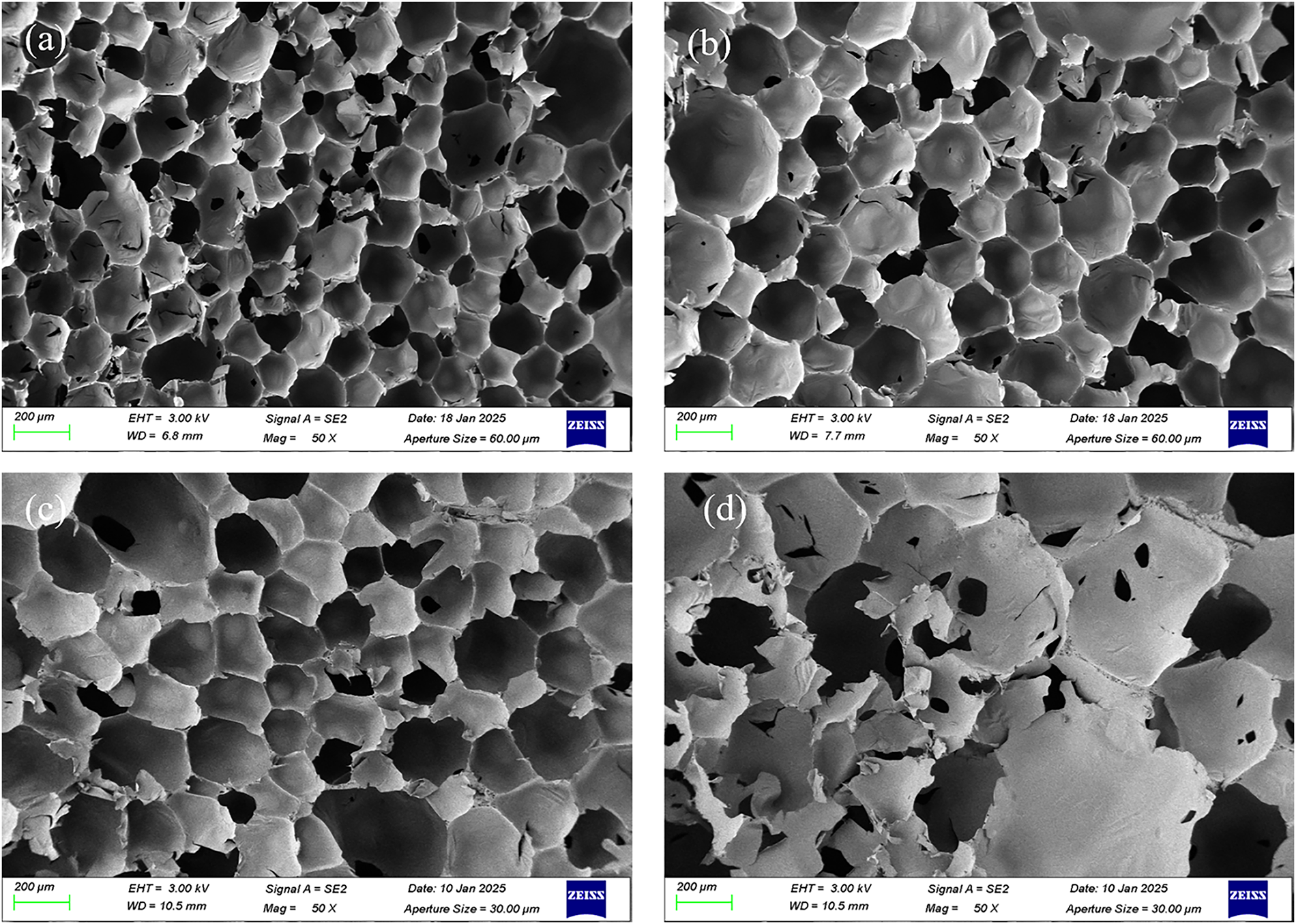
Figure 2. SEM images of flame-retardant RPUF composites with varying MEPCM contents: (a) 0 wt% (×50), (b) 2 wt% (×50), (c) 6 wt% (×50), and (d) 8 wt% (×50). Scale bar = 200 μm
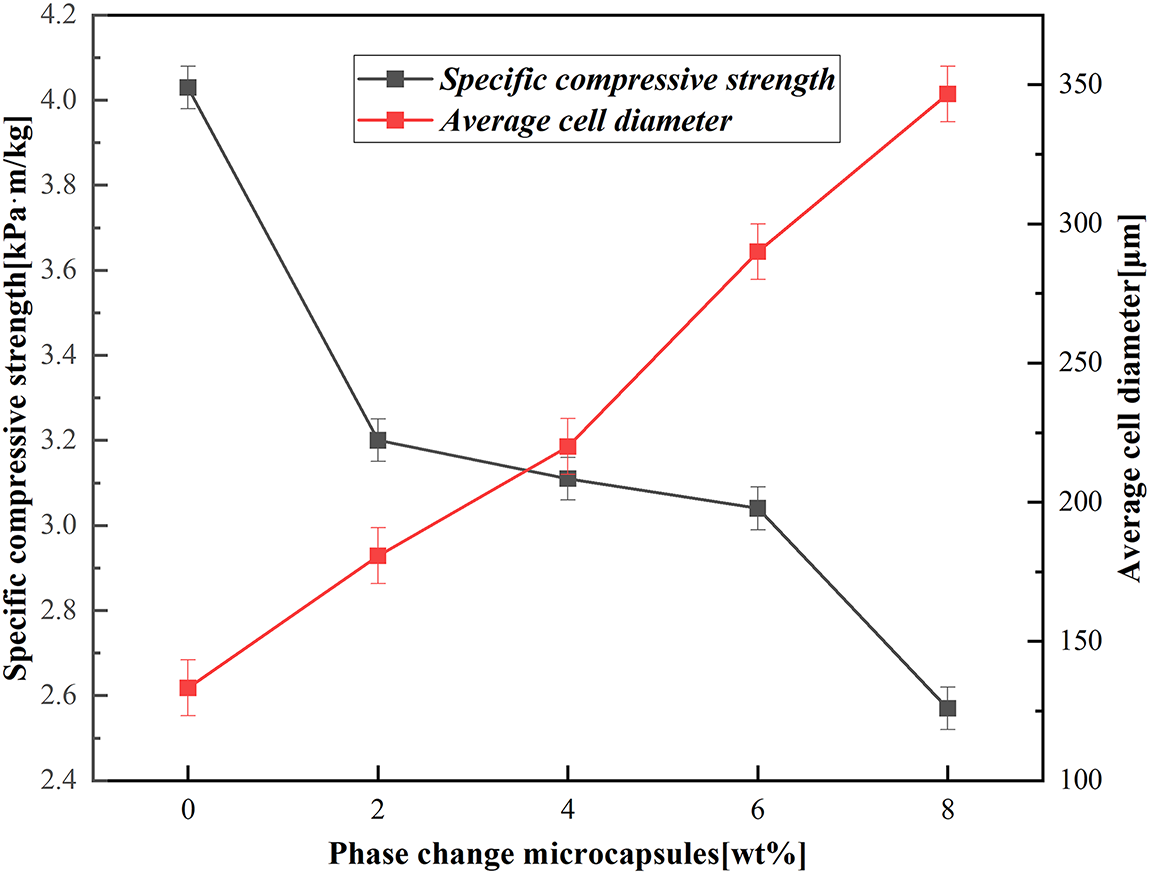
Figure 3. Specific compressive strength and average cell diameter of RPUF with varying MEPCM contents
This observation can be attributed to the increase in the MEPCM concentration that fundamentally altered the dynamics of foaming. The incorporated MEPCM microcapsules not only occupy the physical space required for cell nucleation but also act as foreign particles that significantly hinder gas diffusion and disrupt the regular growth during foaming. Similarly, Vevere et al. [24] also found that the addition of microencapsulated paraffin to rigid PU foam led to the formation of open cell morphology and reduced mechanical performance. This dual effect of spatial constraint and diffusion barrier creates a preferential pathway that directs gas to enlarging existing cells rather than initiating the formation of new cells. Consequently, the average cell diameter progressively increases, accompanied by a decrease in cell density. The deterioration in specific compressive strength can be attributed to the combined effects of morphological changes and compromised structural integrity. The expansion of cell size and the transition from spherical to irregular shapes lead to uneven stress distribution under compression. Furthermore, the presence of MEPCMs at the cell boundaries interferes with the formation of continuous polymer struts, thereby weakening the overall structural framework. Consistent with these observations, Yang et al. [23] have demonstrated that incorporating microencapsulated PCMs into RPUF generally results in decreased compressive strength due to defects arising in the foam’s cellular architecture. This microstructural degradation directly correlates with the observed reduction in mechanical performance: the specific compressive strength decreased from 4.03 ± 0.18 kPa·m3/kg to 2.57 ± 0.21 kPa·m3/kg as the MEPCM content increased to 8 wt%. Specifically, previous detailed studies on RPUF have established a strong linear relationship between compressive strength and elastic modulus within a relatively narrow density range; as density and mechanical properties increase, both parameters increase or decrease simultaneously. For example, Calvert et al. [25] systematically characterized commercial rigid PU foams and reported that as the compressive strength increased from 4.7 MPa to 24.7 MPa, the elastic modulus correspondingly increased from 115 MPa to 794 MPa. Given that experimental data clearly show a continuous decrease in absolute compressive strength from 322.7 kPa to 179.22 kPa with increasing MEPCM content, it can be logically inferred that the elastic modulus follows the same decreasing trend. A linear correlation was observed between average cell diameter and compressive strength (R2 = 0.87), confirming that the increase in cell size from 133.33 μm to 346.67 μm is the dominant factor governing the reduction in mechanical performance. The decrease in mechanical properties arises from three factors: MEPCMs act as stress concentration points, enlarged cell diameter reduces load-bearing struts per unit volume, and irregular cell morphology leads to non-uniform stress distribution.
The mechanical behaviour observed in this study aligns with the fundamental structure–property relationships of foam materials. Compressive performance is predominantly governed by cellular architecture and matrix continuity. The formation of enlarged and irregular cells together with compromised strut integrity substantially reduces the material’s load-bearing capacity and ultimately leads to a decrease in specific strength. Notably, Rossi et al. [26] also reported that uniform PCM dispersion slightly reduced cell size and increased panel density, thereby enhancing structural support while reducing elasticity in flexible PU foams. This correlation between microstructural characteristics and macroscopic mechanical response highlights the importance of maintaining optimal cell morphology and structural integrity to achieve the desired performance in composite foam systems.
3.2. Latent heat storage performance and thermal stability
The thermal conductivity of RPUF composites with varying MEPCMs contents is shown in Figure 4. The thermal conductivity of RPUF composites increases with the addition of MEPCMs. At an MEPCM content of 6 wt%, the thermal conductivity of the RPUF composite is 0.03413 W/(m·K), which is 0.00527 W/(m·K) higher than that of pure RPUF, representing a relatively small variation range. Similarly, previous study also demonstrated that the incorporation of microencapsulated PCMs results in only marginal changes in thermal conductivity due to the preservation of the foam’s closed-cell structure [23]. This finding can be attributed to the intrinsically higher thermal conductivity of the polyurethane/n-octadecane MEPCMs compared with that of the polyurethane foam matrix. Notably, even when a portion of the n-octadecane undergoes phase change, the phase transition process has a negligible effect on the thermal conductivity of the bulk foam, as the microcapsule shells impose physical constraints on the internal phase change process.
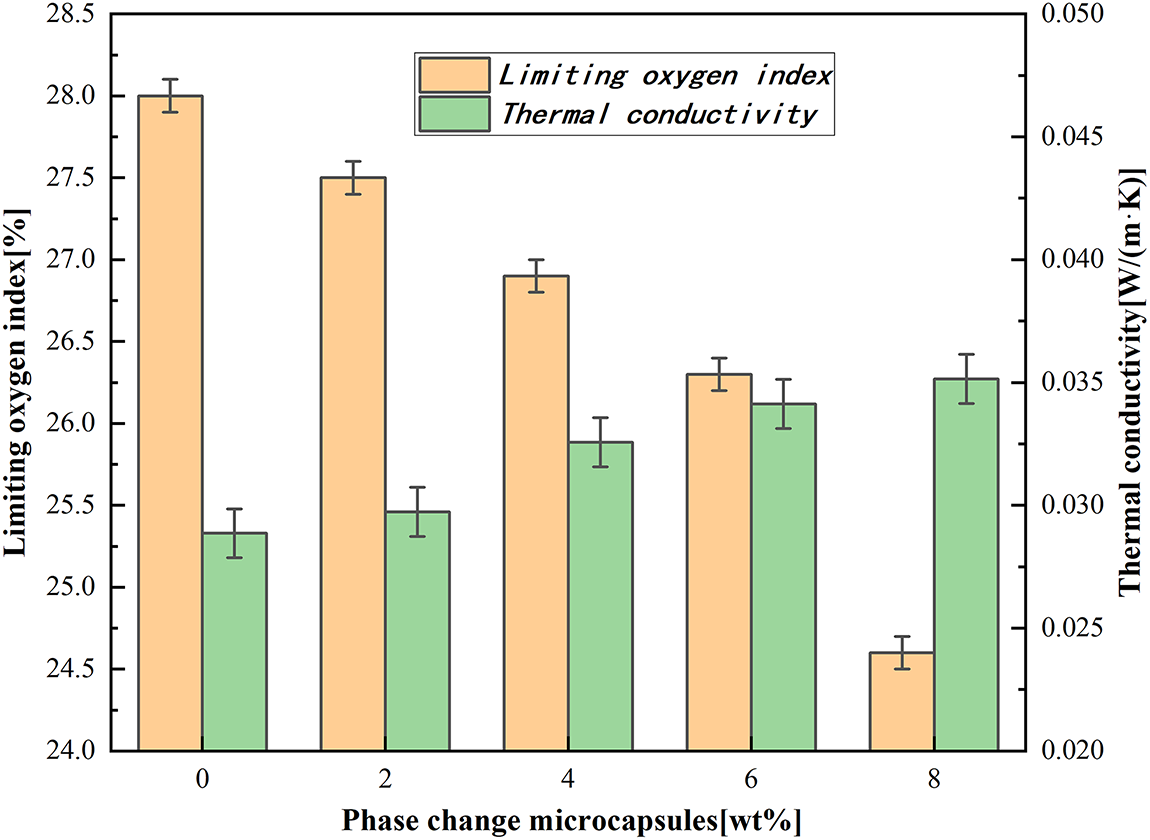
Figure 4. LOI and thermal conductivity of RPUF composites with varying MEPCM contents
In terms of flame retardancy, pure RPUF is classified as a Class B3 flammable material, burning readily under ambient oxygen conditions with an LOI of approximately 20%. After incorporating 12.5 wt% EG and 2.5 wt% ATH into pure RPUF, the resulting flame-retardant RPUF exhibited an LOI of 27.4%. At an MEPCM content of 8 wt%, the LOI dropped to 24.6%, which fails to meet the national standard for Class B2 rating. In contrast, at 6 wt% MEPCM content, the composite achieved an LOI of 26.3%, thereby meeting the Class B2 requirement.
The variation in LOI with MEPCM concentration is likely due to the dilution of flame-retardant components and the disruption of their uniform dispersion. Furthermore, the organic n-octadecane core and polyurethane shell of the MEPCMs increase the total fuel load, releasing additional combustible volatiles during thermal degradation that facilitate the combustion process and lead to the observed LOI reduction. Such disruption may compromise the synergistic flame-retardant mechanisms, including char layer formation by EG and endothermic decomposition by ATH. Recent studies have demonstrated that functionalized MEPCMs can enhance the flame retardancy of RPUF. Li et al. [27] reported that PBA-modified MEPCMs enabled RPUF composites to achieve an LOI of 25.6% with significant reductions in total heat release and smoke production. Similarly, Zhao et al. developed MXene-doped MEPCMs that improved both flame retardancy and mechanical properties of RPUF [28]. An optimal MEPCM loading of 6 wt% mitigates these adverse effects, enabling the composite to maintain a desirable balance between flame retardancy (as evidenced by the Class B2 classification and an LOI of 26.3%) and the thermal regulation functionality provided by the MEPCMs.
To ensure the accuracy of the test data and to verify the uniform distribution of MEPCMs within the foam, samples were collected from the top, middle, and bottom positions of each foam specimen. The average phase change enthalpy and specific heat capacity values of the RPUF composites are summarized in Table 2. Given that the phase change temperature of the MEPCMs is 28°C, the specific heat capacity of the composite material at this temperature was selected for analysis.

The thermal energy storage characteristics of RPUF composites with varying MEPCM contents were systematically investigated using differential scanning calorimetry (DSC) and specific heat capacity analysis. As shown in Figure 5, pure RPUF exhibits no melting endotherm or detectable latent heat, whereas all MEPCM-modified composites display distinct endothermic peaks within the phase transition range. The original DSC endothermic curves for samples with 2–8 wt% MEPCMs are presented in supplementary information Figures S1–S4, respectively. Notably, the phase change enthalpy values may exhibit slight fluctuations depending on the selected integration interval, but all variations remain within an acceptable error range. Both the endothermic peak intensity and the integrated melting area increase progressively with increasing MEPCM content. Quantitative analysis confirmed that the melting enthalpy increases from 3.0 J/g at 2 wt% to 13.6 J/g at 8 wt% MEPCM content, establishing a direct correlation between MEPCM loading and latent heat storage performance. Linear regression of the experimental data yields a correlation coefficient of 0.97, indicating an excellent linear relationship. The encapsulation efficiency of the MEPCMs in the composite was calculated to be above 90%, based on the comparison between experimental enthalpies (3.0 J/g at 2 wt%, 8.2 J/g at 4 wt%, 10.8 J/g at 6 wt%, and 13.6 J/g at 8 wt%) and theoretical values (3.6 J/g, 7.2 J/g, 10.8 J/g, and 14.4 J/g, respectively, based on pure MEPCM enthalpy of 180 J/g). The phase change enthalpy values obtained in this study are comparable to those reported for PU-based MEPCM composites, where core/shell ratios significantly influence the latent heat capacity [29].
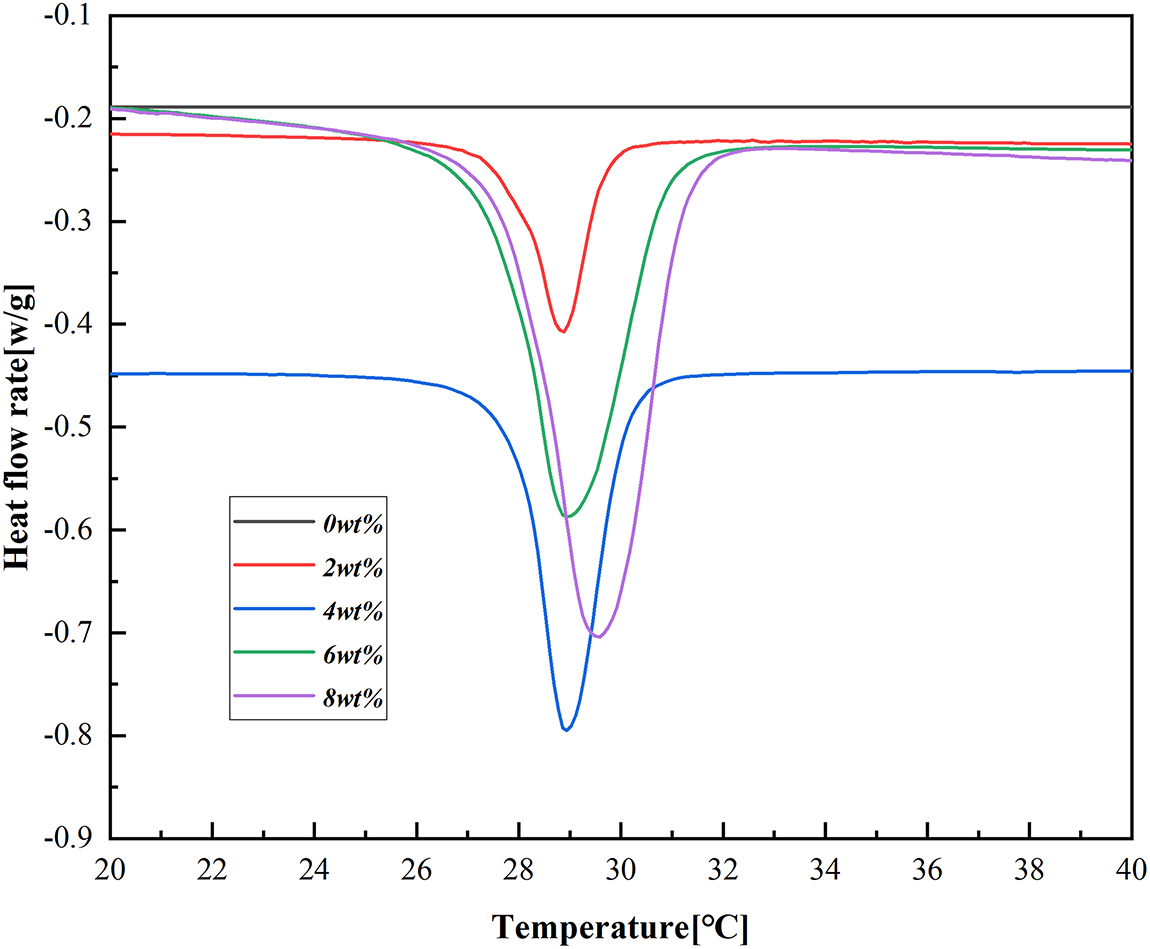
Figure 5. Phase change enthalpy of RPUF with varying MEPCM contents
Representative specific heat capacity curves for all formulations are provided in supplementary information Figures S5–S9. Complementary specific heat capacity measurements revealed that pure RPUF has a specific heat capacity of 1.0 J/(g·°C), indicating no phase-change-related enhancement. In contrast, the specific heat capacity of the composites increased steadily with MEPCM content, reaching 4.4 J/(g·°C) at 8 wt% loading, which represents a fourfold increase compared with the unmodified foam.
Validation experiments confirmed the reliability of measurements using samples collected from multiple regions of each foam specimen. The minimal variations in both the phase change enthalpy and specific heat capacity values indicate a uniform distribution of MEPCMs. Furthermore, the experimental data are in excellent agreement with the theoretical predictions based on composite mixture principles. The measured enthalpies for the MEPCM/RPUF composites (3.0 J/g at 2 wt%, 8.2 J/g at 4 wt%, 10.8 J/g at 6 wt%, and 13.6 J/g at 8 wt%) showed good consistency with the theoretical values (3.6 J/g, 7.2 J/g, 10.8 J/g, and 14.4 J/g, respectively), confirming that the microcapsules were effectively incorporated into the RPUF matrix with high encapsulation efficiency and minimal leakage during the foaming process. This synchronized enhancement in both latent and sensible heat storage establishes a clear structure–property relationship that is dependent on the MEPCM content. This synchronized enhancement in both latent and sensible heat storage is consistent with recent advances in multifunctional RPUF composites incorporating PCMs for building energy conservation applications [30]. The composite with 6 wt% MEPCMs is particularly promising because it balances substantial thermal storage capacity with flame retardancy, making it suitable for practical applications requiring both thermal energy management and fire safety. Compared with the chitosan-shelled MEPCMs reported by Cao et al. [31], which required 30 wt% loading to achieve an LOI of 26.1% and a latent heat of 12.31 J/g, our PU-shell MEPCM/RPUF composite achieves comparable flame retardancy (LOI of 26.3%) and thermal energy storage (10.8 J/g) at a much lower MEPCM content of only 6 wt%. Furthermore, the compressive strength of our composite (219.22 kPa) is comparable to that of a recently reported high-performance flame-retardant RPUF (194–275 kPa) [32], indicating that the thermal energy storage function was achieved without significantly sacrificing mechanical performance.
3.3. Thermal gravimetric properties
The derivative thermogravimetry (DTG) analysis results are shown in Figure 6. The DTG curve of pure MEPCMs exhibits three characteristic peaks, whereas that of pure RPUF shows only two major peaks. After the incorporation of MEPCMs into the foam, all composites display three characteristic peaks. Furthermore, as the MEPCM content increases, the intensity of the peak at approximately 245°C progressively increases. This observation indicates that the thermal decomposition of the RPUF matrix itself is a multistep process, likely associated with the cleavage of different segments within its polymer structure. Upon incorporation of MEPCMs, their decomposition features are superimposed onto the multistage decomposition behaviour of RPUF, resulting in the three-peak DTG curves for all composites.
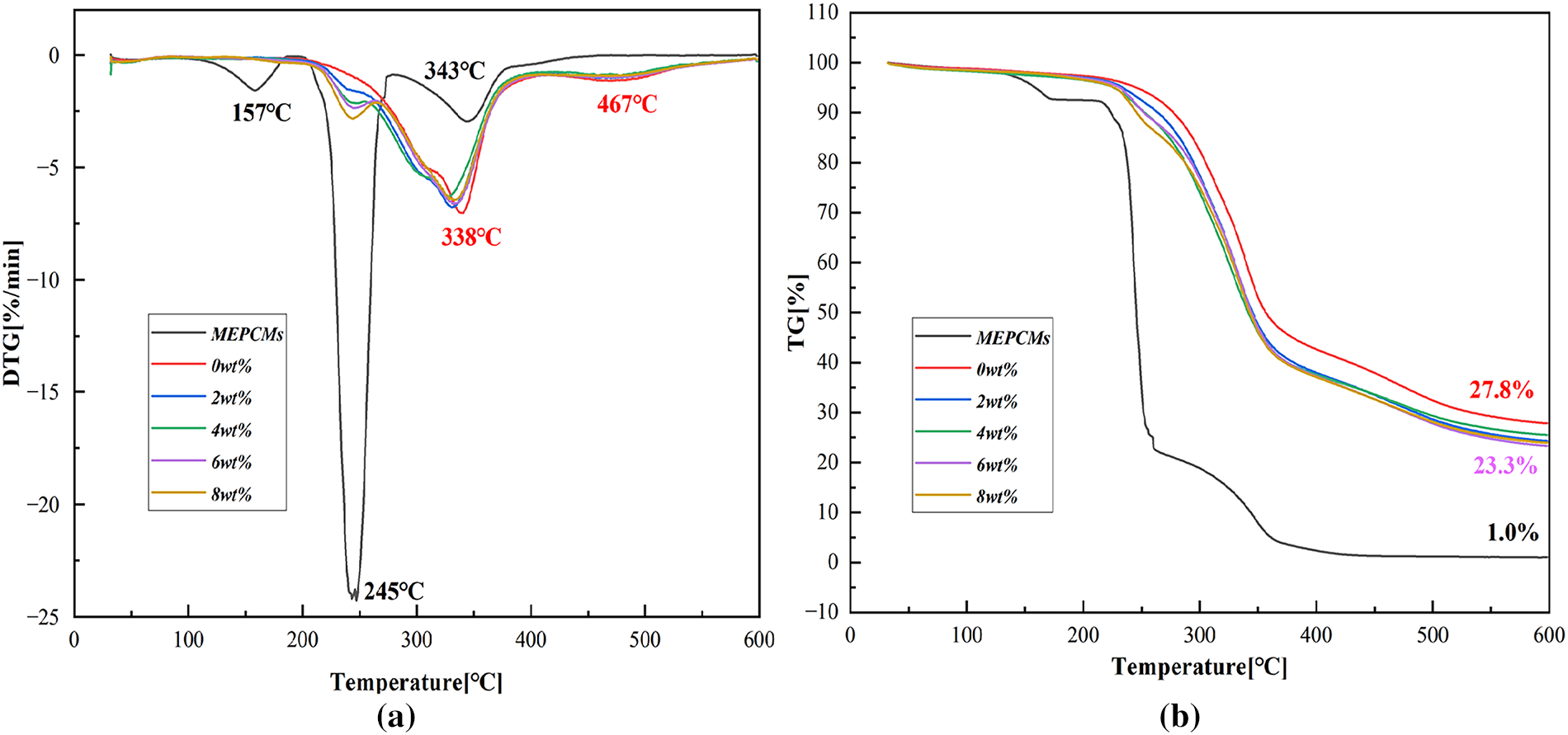
Figure 6. DTG and TG of RPUF with varying MEPCM contents (a) DTG, (b) TG
The TG analysis results in Figure 6 show that the initial thermal decomposition temperature of pure MEPCMs is 217°C, whereas those of pure RPUF and the composites are approximately 240°C, with only minor variations. It is evident that the incorporation of MEPCMs does not significantly influence the overall initial thermal decomposition temperature of the composites. This thermal stability is consistent with former findings, where PU-shell MEPCMs demonstrated excellent thermal reliability and storage stability [33]. Upon heating to 600°C, the residual mass of pure MEPCMs is 1.0%, which is primarily derived from trace inorganic or carbonaceous residues formed by the high-temperature carbonisation of their polyurethane shells. In contrast, the residual mass of the flame-retardant RPUF matrix (0 wt% MEPCMs) is 27.8%. For comparison, our preliminary tests showed that the residual mass of RPUF without flame retardants at 600°C is 15.1%. The significantly higher residual mass in the present study is primarily attributed to the synergistic effect of the flame-retardant system: EG promotes the formation of a stable, expanded char layer, while the thermal decomposition of ATH produces inorganic oxide residues that further stabilize the thermal residue. As the MEPCM content increases, the residual mass of the composites decreases relative to that of pure RPUF, with the minimum residual mass being 23.3%, representing a reduction of only 4.5%. This finding indicates that within the investigated doping range, the incorporation of MEPCMs does not significantly alter the final residue yield after high-temperature decomposition. The thermal residue behavior remains dominated by the RPUF matrix and the flame-retardant system, which is consistent with recent reports on flame-retardant RPUF composites containing chitosan phase-change microcapsule [34]. The detailed TGA results are summarized in supplementary information Tables S1–S7.
As shown in Table 3, the leakage rate of the pure MEPCMs is 4.8%. Notably, the pure RPUF (RPUF-0) also exhibited a mass loss of 2.5%, which is attributed to the volatilization of residual physical blowing agents and moisture trapped within the foam matrix during the high-temperature test, rather than PCM leakage. This value serves as a baseline mass loss for the foam system. When this baseline is accounted for, the net leakage rates of the RPUF composites are close to zero. This indicates that the MEPCMs are perfectly encapsulated within the closed-cell structure of the RPUF, and their robust polyurethane shells effectively prevent any n-octadecane leakage even during thermal cycles, demonstrating superior leakage mitigation capability.
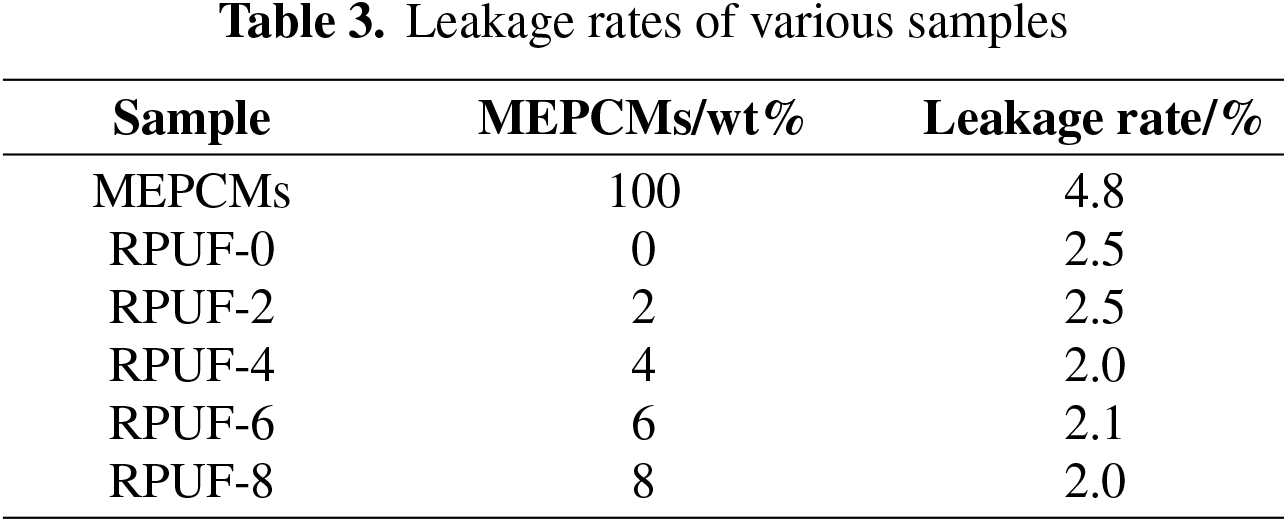
When the microcapsule content is within 8 wt%, the MEPCMs exclusively fill the internal voids of the foam cells without compromising the structural integrity of the RPUF. This preservation of the inherent cellular architecture is pivotal for maintaining an effective barrier against leakage. Similarly, Hu et al. [29] also demonstrated that PU-based MEPCMs exhibited promising application potential in thermal energy storage fields due to their superior compactness and storage stability. The suppressed leakage behaviour of the composite systems arises from synergy of multiple mechanisms. First, a dual barrier effect is provided by the polyurethane shell of the MEPCMs and the RPUF matrix. The MEPCM shell serves as the primary barrier to restrict the outflow of n-octadecane, the core material, while the interconnected cellular network of RPUF functions as a secondary barrier to trap any potentially leaking liquid and prevent its extensive diffusion within the composite. Second, at the test temperature of 60°C, n-octadecane exhibits high liquid viscosity and a low diffusion coefficient. This intrinsic property slows its mobility, even in the presence of minor defects in the MEPCM shell or RPUF matrix, thereby minimizing the driving force for leakage.
These synergistic mechanisms collectively result in minimal sensitivity of the leakage rate to variations in microcapsule content across the 0~8 wt% range. This stability indicates that RPUF not only acts as a compatible carrier for MEPCMs but also significantly enhances the retention of the phase change material core. Similar findings have been reported for waterborne polyurethane/cellulose nanofibril/polyethylene glycol phase change foams, where the matrix effectively suppressed phase change material leakage through superior surface tension and capillary forces [35]. For composite systems with microcapsule contents within 8 wt%, the consistent leakage rate ensures reliable thermal energy storage performance and structural reliability, both of which are essential prerequisites for practical application in thermal management scenarios.
3.5. Practical application and sustainability
From a practical perspective, the long-term reliability of the RPUF composites in building and transportation sectors is essential. Specific potential applications include building insulation panels for passive energy saving and refrigerated transport containers for temperature-sensitive logistics. Regarding thermal durability, the polyurethane shell of the MEPCMs effectively protects the core material, ensuring stable heat storage capacity during repeated heating and cooling cycles. The flame-retardant performance remains stable over time because the EG and ATH additives are physically trapped within the foam matrix and do not easily volatilize. Additionally, the closed-cell structure of the rigid RPUF provides an inherent barrier against humidity and water exposure, preventing the degradation of internal components. Although the addition of MEPCMs increases the initial material cost, the improved thermal management efficiency can lead to significant energy savings during the service life of the material, justifying its application in energy-efficient structures. However, practitioners should consider the trade-off between thermal enhancement and mechanical properties; while 8 wt% MEPCM provides optimal heat storage, a moderate loading may be more suitable for components requiring higher structural stiffness.
3.6. Comprehensive mechanism discussion
Based on the experimental results, the multifunctional mechanisms of the MEPCM-RPUF composites can be summarized as follows. The leakage suppression is attributed to a dual physical barrier: the inherent polyurethane shell of the MEPCMs provides primary encapsulation, while the closed-cell network of the RPUF matrix offers secondary confinement, effectively restricting the capillary migration of the paraffin core. Regarding the foaming process, the MEPCMs act as solid obstacles that increase resin viscosity and impede gas diffusion, which directly leads to the observed increase in cell diameter. Furthermore, a synergistic fire-retardant effect is established where the EG/ATH system forms a robust char layer to block heat and oxygen, while the MEPCMs provide an additional heat sink through their endothermic phase transition, collectively improving the fire safety of the composites
In the present study, flame-retardant RPUF composites with efficient thermal energy storage capability were successfully fabricated by incorporating MEPCMs into a flame-retardant RPUF matrix. The optimal MEPCM content was determined to be 6 wt%, at which the composite achieved a LOI value of 26.3%, meeting the Class B2 flammability standard, while delivering a phase change enthalpy of 10.8 J/g. This optimal formulation achieves a high encapsulation efficiency >90%, maintaining a robust B2 rating despite the increased fuel load. Compared to common systems where the LOI often drops below 24.0% at similar phase change material loadings, our composite provides a superior balance between fire safety and energy density. This choice highlights a critical trade-off since the 8 wt% MEPCM loading further increased the latent heat to 13.6 J/g but reduced the LOI to 24.6%, failing to meet the Class B2 requirement. TG and leakage analyses indicated that the incorporation of MEPCMs did not significantly alter the final residue yield after high-temperature decomposition, and the RPUF matrix effectively suppressed microcapsule leakage. The composite shows practical promise for building insulation and refrigerated transport. However, this study has certain limitations; although the literature provides valuable references, future work should focus on optimization and explore the application of bio-based phase change materials. In conclusion, this work demonstrates a viable strategy for enhancing the multifunctionality of RPUF, highlighting its potential application in the construction and transportation sectors where both thermal management and fire safety are required.
Acknowledgement: Not applicable.
Funding Statement: This work was jointly supported by the Key Laboratory of Facility Fishery Sciences, Ministry of Education (Grant No. 202214), the National Natural Science Foundation of China (Grant No. 42406198), and the Liaoning Provincial Natural Science Foundation (Grant No. 2024-BS-210).
Author Contributions: The authors confirm contribution to the paper as follows: Conceptualization, Qingwen Li and Chunguang Yang; Methodology, Qingwen Li and Chunguang Yang; Software, Qingwen Li; Validation, Yu Han; Formal analysis, Qingwen Li; Investigation, Yu Han; Resources, Chunguang Yang; Data curation, Qingwen Li; Writing—original draft preparation, Qingwen Li; Writing—review and editing, Chunguang Yang and Qingwen Li; Visualization, Qingwen Li and Yu Han; Supervision, Chunguang Yang; Project administration, Chunguang Yang; Funding acquisition, Chunguang Yang and Yu Han. All authors reviewed and approved the final version of the manuscript.
Availability of Data and Materials: The data underlying this study will be made available upon reasonable request to the corresponding author.
Ethics Approval: Not applicable.
Conflicts of Interest: The authors declare no conflicts of interest.
Supplementary Materials: The supplementary material is available online at https://doi.org/10.37358/mp.2026.083553.
How to Cite this Article
References
- Tang G, Gong Z, Liu M, Hou Y, Tao K, Dai K, et al. Enhancing flame resistance properties and water resistance of rigid polyurethane foam using microencapsulation. Case Stud Therm Eng. 2025;66:105738. doi:10.1016/j.csite.2024.105738. DOI
- Notario B, Pinto J, Rodriguez-Perez MA. Nanoporous polymeric materials: a new class of materials with enhanced properties. Prog Mater Sci. 2016;78:93–139. doi:10.1016/j.pmatsci.2016.02.002. DOI
- Huang Z, Chen H, Huang Y, Ge Z, Zhou Y, Yang Y, et al. Ultra-broadband wide-angle terahertz absorption properties of 3D graphene foam. Adv Funct Mater. 2018;28(2):1704363. doi:10.1002/adfm.201704363. DOI
- Li T, Li H, Wei J, Lu Y, Jing Q, Liang M, et al. Durable flame retardant containing a-C=C-P(=O)-O-C group with π–π conjugation for cotton fabrics. Polym Degrad Stab. 2025;233(40):111189. doi:10.1016/j.polymdegradstab.2025.111189. DOI
- Togun H, Basem A, Jweeg MJ, Anqi AE, Abed AM, Alshamkhani MT, et al. Innovative PCM-Gypsum plasterboard technologies for smart building envelopes: recent advances and applications. Sustain Energy Technol Assess. 2025;82(5):104470. doi:10.1016/j.seta.2025.104470. DOI
- Xu B, Li P, Chan C. Application of phase change materials for thermal energy storage in concentrated solar thermal power plants: a review to recent developments. Appl Energy. 2015;160(9):286–307. doi:10.1016/j.apenergy.2015.09.016. DOI
- Khan MMA, Saidur R, Al-Sulaiman FA. A review for phase change materials (PCMs) in solar absorption refrigeration systems. Renew Sustain Energy Rev. 2017;76:105–37. doi:10.1016/j.rser.2017.03.070. DOI
- Zhang H, Baeyens J, Cáceres G, Degrève J, Lv Y. Thermal energy storage: recent developments and practical aspects. Prog Energy Combust Sci. 2016;53:1–40. doi:10.1016/j.pecs.2015.10.003. DOI
- Nazir H, Batool M, Bolivar Osorio FJ, Isaza-Ruiz M, Xu X, Vignarooban K, et al. Recent developments in phase change materials for energy storage applications: a review. Int J Heat Mass Transf. 2019;129(48):491–523. doi:10.1016/j.ijheatmasstransfer.2018.09.126. DOI
- He R, Song K, Wu X, Zhang Q, Zhang K, Su M, et al. Effectiveness analysis of novel battery thermal management systems combining phase change material and air-cooled technologies. Appl Therm Eng. 2025;264:125499. doi:10.1016/j.applthermaleng.2025.125499. DOI
- Aiswarya V, Shebin M, Das S. Thermal energy storage on hybrid TiO2/GO modified paraffin microcapsules. Therm Sci Eng Prog. 2025;58:103237. doi:10.1016/j.tsep.2025.103237. DOI
- Yoo Y, Martinez C, Youngblood JP. Synthesis and characterization of microencapsulated phase change materials with poly(urea-urethane) shells containing cellulose nanocrystals. ACS Appl Mater Interfaces. 2017;9(37):31763–76. doi:10.1021/acsami.7b06970; 28787125 DOI
- Cai C, Ouyang X, Zhou L, Liu G, Wang Y, Zhu G, et al. Co-solvent free interfacial polycondensation and properties of polyurea PCM microcapsules with dodecanol dodecanoate as core material. Sol Energy. 2020;199(1):721–30. doi:10.1016/j.solener.2020.02.071. DOI
- Liu H, Tian X, Ouyang M, Wang X, Wu D, Wang X. Microencapsulating n-docosane phase change material into CaCO3/Fe3O4 composites for high-efficient utilization of solar photothermal energy. Renew Energy. 2021;179(35):47–64. doi:10.1016/j.renene.2021.07.024. DOI
- Chen K, Zhou J, Che X, Zhao R, Gao Q. One-step synthesis of core shell cellulose-silica/n-octadecane microcapsules and their application in waterborne self-healing multiple protective fabric coatings. J Colloid Interface Sci. 2020;566:401–10. doi:10.1016/j.jcis.2020.01.106; 32018180 DOI
- Qu L, Li A, Gu J, Zhang C. Thermal energy storage capability of polyurethane foams incorporated with microencapsulated phase change material. ChemistrySelect. 2018;3(11):3180–6. doi:10.1002/slct.201703043. DOI
- Weng K, Qian R, Xu X, Zou D. Exploring key factors of radiative cooling performance of n-octadecane@SiO2 MEPCMs. Int J Heat Mass Transf. 2024;234:126090. doi:10.1016/j.ijheatmasstransfer.2024.126090. DOI
- Liu L, Chen J, Qu Y, Xu T, Wu H, Huang G, et al. A foamed cement blocks with paraffin/expanded graphite composite phase change solar thermal absorption material. Sol Energy Mater Sol Cells. 2019;200(6):110038. doi:10.1016/j.solmat.2019.110038. DOI
- Lv Y, Zhou W, Jin W. Experimental and numerical study on thermal energy storage of polyethylene glycol/expanded graphite composite phase change material. Energy Build. 2016;111(12):242–52. doi:10.1016/j.enbuild.2015.11.042. DOI
- Wang XL, Li B, Qu ZG, Zhang JF, Jin ZG. Effects of graphite microstructure evolution on the anisotropic thermal conductivity of expanded graphite/paraffin phase change materials and their thermal energy storage performance. Int J Heat Mass Transf. 2020;155(7):119853. doi:10.1016/j.ijheatmasstransfer.2020.119853. DOI
- Choi JY, Nam J, Kim YU, Kim S. Sustainable hybrid solution to enhancing thermal transport of PCMs using carbon nanomaterial-modified biowaste-derived biochar. Sustain Energy Technol Assess. 2025;82:104509. doi:10.1016/j.seta.2025.104509. DOI
- Yang D, Ni L, Gu L, Chen Q, Jiang J, Su J. Temperature control for the synthesis of n-butylmagnesium bromide Grignard reagent based on n-octadecane/polystyrene microPCMs. J Loss Prev Process Ind. 2024;89:105320. doi:10.1016/j.jlp.2024.105320. DOI
- Yang C, Fischer L, Maranda S, Worlitschek J. Rigid polyurethane foams incorporated with phase change materials: a state-of-the-art review and future research pathways. Energy Build. 2015;87(8):25–36. doi:10.1016/j.enbuild.2014.10.075. DOI
- Vevere L, Sture-Skela B, Yakushin V, Němeček P, Beneš H, Cabulis U. Phase-change materials as cryo-shock absorbers in rigid polyurethane cryogenic insulation foams. Polymers. 2025;17(6):729. doi:10.3390/polym17060729; 40292536 DOI
- Calvert KL, Trumble KP, Webster TJ, Kirkpatrick LA. Characterization of commercial rigid polyurethane foams used as bone analogs for implant testing. J Mater Sci Mater Med. 2010;21(5):1453–61. doi:10.1007/s10856-010-4024-6; 20162325 DOI
- Rossi D, Anguillesi I, Maccaferri E, Garivalis AI, D’Accardi E, Palumbo D, et al. Development of bio-based flexible polyurethane foams incorporating phase change materials for thermal energy storage applications. Mater Today Sustain. 2025;32:101234. doi:10.1016/j.mtsust.2025.101234. DOI
- Li G, Zhao Z, Sun J, Chen G, Chen X, Jiao C, et al. Microencapsulated phase change materials functionalized with PBA for enhancing the flame retardancy of thermally regulated rigid polyurethane foam. Polym Degrad Stab. 2025;242(3):111702. doi:10.1016/j.polymdegradstab.2025.111702. DOI
- Zhao Z, Huang B, Qu J, Li G, Zhao Z, Chen X, et al. MXene-doped microencapsulated phase change materials for rigid polyurethane foam with enhanced flame retardancy and thermal insulation properties. Polym Degrad Stab. 2025;240:111505. doi:10.1016/j.polymdegradstab.2025.111505. DOI
- Hu D, Wang Z, Ma W. Fabrication and characterization of a novel polyurethane microencapsulated phase change material for thermal energy storage. Prog Org Coat. 2021;151(8):106006. doi:10.1016/j.porgcoat.2020.106006. DOI
- Wang X, Li W, Luo Z, Wang K, Shah SP. A critical review on phase change materials (PCM) for sustainable and energy efficient building: design, characteristic, performance and application. Energy Build. 2022;260(1):111923. doi:10.1016/j.enbuild.2022.111923. DOI
- Cao Q, Cao Q, Zhou L, Yu K. Thermal stability and flame retardancy of rigid polyurethane foam composites filled with phase-change microcapsule. Materials. 2024;17(4):888. doi:10.3390/ma17040888; 38399138 DOI
- Li YM, Hu WJ, Hu SL, Li YR, Zhu DP, Wang DY. Fabrication of intrinsic flame-retarding rigid polyurethane foam with enhanced compressive strength and good thermal insulation. Polym Degrad Stab. 2023;215(1):110463. doi:10.1016/j.polymdegradstab.2023.110463. DOI
- Han S, Ding Q, Li J, Zang J, Wang J, Lu Y. Mechanically robust and leak-resistant waterborne polyurethane/cellulose nanofibril/polyethylene glycol phase change foams for thermal energy storage. J Mater Sci. 2025;60(8):3912–25. doi:10.1007/s10853-025-10693-0. DOI
- Sun Y, Lu S, Shao J, Shi W, Guo L. Preparation of PU/SiO2 composite shell microencapsulated phase change materials with high thermal stability and thermal conductivity. Polymer. 2024;311(2):127518. doi:10.1016/j.polymer.2024.127518. DOI
- Han S, Li J, Zang J, Ding Q, Yu Z, Lu Y. Effects of cellulose nanofibrils on the mechanical and thermal properties of phase change foams based on polyethylene glycol/cellulose nanofibrils/waterborne polyurethane. Int J Biol Macromol. 2025;287(7):138655. doi:10.1016/j.ijbiomac.2024.138655; 39672401 DOI