Abstract
Keywords: Vehicle polymer particles; tribo-charging; electrostatic separation; waste recovery
With the sustained growth of the global economy, automobile production and sales continue to rise steadily. According to the International Organization of Automobile Manufacturers (OICA), global automobile production will reach 68.75 million Until the fourth quarter of 2025 [1]. This growth inevitably leads to a surge in end-of-life vehicles (ELVs), especially with the accelerated upgrading of vehicles toward electrification, intelligence, and connectivity [2–4]. ELVs are complex products composed of multiple materials, with typical composition (by mass) as follows: ferrous metals (70–80%), polymers (10–20%), nonferrous metals (5–10%), and other nonmetallic materials (3–5%) [5,6]. Polymers are increasingly used in automotive applications due to their favorable moldability, durability, low cost, and light weight [7,8]. However, compared with readily recyclable metals, polymer recovery rates from ELVs remain low (globally below 50%) [7]. Current disposal practices, such as incineration and landfilling, contribute to environmental pollution and consume valuable land resources [9,10].
The premise of efficient polymer recovery is the separation of mixed polymers into single-component materials. Existing separation technologies include density separation, foam flotation, spectral separation, and tribo-electrostatic separation [11–13]. Density separation is limited by the narrow density difference between some polymers [14]; foam flotation requires subsequent dehydration and drying processes [15–17]; Conventional near-infrared spectral separation encounters difficulties in identifying black and dark-colored polymers [18,19]. In contrast, tribo-electrostatic separation, which exploits differences in the effective surface work functions of polymers, is widely recognized as a promising dry separation technology. It features low operational cost, high processing efficiency, no secondary pollution, and strong adaptability for diverse particle sizes [20].
Tribo-electrostatic separation consists of two consecutive stages: tribo-charging (solid single-phase or gas–solid two-phase) and high-voltage electrostatic separation (free fall, roll, or fluidized bed type) [21,22]. Zhang et al. [23] developed a two-stage tribo-charging device for separating PA/PP/ABS and PE/PP/PVC ternary mixtures, achieving purities over 91% for PA/ABS and 85% for PE/PP/PVC. Achouri et al. [24] evaluated fluidized beds and rotating multicylinders for electrostatic separation of ABS/PS and PP/PE mixtures, with fluidized beds yielding the best performance via charge, purity, and recovery rate measurements. Calin et al. [25] successfully separated HIPS/ABS and HIPS/ABS-PC particle mixtures from WEEE using fluidized bed friction charging, demonstrating separation recovery and purity higher than 90%. Kimi et al. [26] artificially overcame the particle impact effect, enhanced the structure of the free-fall separation device, replaced the planar vertical electrode with a rotating cylindrical electrode, and substantially improved the purity and recovery rate. Maammar et al. [27] investigated factors influencing charged particle trajectories in a roll-type separator, establishing and validating a dynamic numerical model via high-speed camera-captured trajectories.
Current research on the tribo-electrostatic separation of three-component mixed particles mainly focuses on the single-stage secondary separation or second-order primary separation. However, research on single-stage primary separation is limited, which restricts the efficiency of large-scale industrial application. Additionally, existing tribo-charging devices (e.g., fluidized beds) often suffer from uneven particle collision and inconsistent charging, affecting separation accuracy.
In addition to the aforementioned separation techniques, recent advances in tribo-electrostatic separation have expanded its application to various waste streams. Moulai et al. [28] demonstrated the effective recovery of valuable metals from finely ground waste electrical and electronic equipment (WEEE) using electrostatic separation, highlighting the versatility of this technology beyond polymer sorting. Achouri et al. [29] developed a novel vibrating-table-type tribo-electrostatic separator specifically for granular plastic wastes, achieving selective sorting through enhanced particle agitation and contact charging. For process optimization, Li et al. [30] proposed an automated analysis framework for tribo-electrostatic separation of polymers by integrating neuro-symbolic artificial intelligence, offering a data-driven approach to parameter prediction. Furthermore, Li et al. [31] investigated the triboelectrostatic separation of polypropylene, polyurethane, and polyvinylchloride from passenger vehicles, providing valuable insights into the charging behavior of automotive polymers. These studies collectively underscore the growing interest in electrostatic separation for waste recycling; however, the single-stage primary separation of ternary polymer mixtures (PA/PP/ABS) from end-of-life vehicles using a spiral tube tribo-charger has not been systematically addressed, which motivates the present work.
To address these research gaps, this study is focused on the following aspects: (1) Developing a spiral tube tribo-charging device to enhance particle-wall and particle-particle collision via spiral motion, improving charging uniformity; (2) Integrating it with a free-falling electrostatic separation platform to achieve single-stage primary separation of PA/PP/ABS mixed particles; (3) Systematically optimizing key parameters (spiral tube and electrostatic field parameters) through simulation, single-factor tests, orthogonal tests, and response surface methodology; (4) Verifying the feasibility of high-purity separation for three-component vehicle polymers.
2. Simulation of influencing factors of polymer particle movement
In the spiral tube tribo-charging device, polymer particles are charged mainly through inter-particle collisions and particle–wall collisions. Since particle motion is complex and periodically varying, EDEM software was adopted to simulate particle dynamic behaviors in the spiral tube, with key parameters including rotation speed, tilt angle, and tube length to characterize particle collision frequency, residence time, and friction intensity. Meanwhile, prior to electrostatic separation experiments, COMSOL software was used to simulate particle trajectories in the electrostatic field, so as to preliminarily determine suitable electrostatic parameters including electrode voltage, electrode spacing, and electrode tilt angle. These parameters govern the electric force exerted on particles and further determine the horizontal displacement and final separation efficiency. After tribo-charging in the spiral tube, PP particles exhibit bipolar charging (both positively and negatively charged). Accordingly, positively charged PP must be separated from weakly positive PA, while negatively charged PP needs to be distinguished from weakly negative ABS. Meanwhile, particles discharged during the t3 period carry higher charge levels, especially PA and ABS, which may collide with electrode plates. Therefore, both charging process and electrostatic separation process were systematically simulated to ensure reliable parameter design. Owing to the different times of particles leaving the spiral tube, the charged polymer particles were divided into early (t1), middle (t2), and late (t3) according to the period of particles leaving the spiral tube tribo-charging device to accurately calculate the average charge–mass ratio of particles. All simulation conditions were kept consistent with the experimental conditions described in Section 3.1.
2.1. Effect of spiral tube rotation speed
As shown in Figures S1 and S2, when the rotational speed of the spiral tube ranges from 30 rpm to 60 rpm, a large rotational speed shortens the time of particle flow out of the spiral tube. When the rotational speed is 70 rpm, particles continuously collide and create friction at the spiral tube outlet, and the time of outflow from the spiral tube is substantially increased. The particles cannot flow out of the discharge port when the rotational speed is greater than 75 rpm. It is speculated that the centrifugal force exerted on particles in the high-speed rotating tube is much larger than gravity and other forces, resulting in particles clinging tightly to the tube wall during rotation and thus failing to move or flow out of the tube. The low rotational speed leads to a long charging time for particles when the rotational speed of the spiral tube is 30 rpm. Despite ABS particles in the t1 stage possessing a relatively high charge–mass ratio (CMR), the differences between t2 and t3 are small, as shown in Figure S3. The rotational speed of the spiral tube is preliminarily determined to be 40–60 rpm after comprehensive consideration.
2.2. Effect of spiral tube tilt angle
As shown in Figures S4 and S5, the flow of particles out of the spiral tube takes the longest time when the spiral tube tilt angle is 6°. An increase in the tilt angle gradually shortens the time it takes for particles to flow out of the spiral tube. The particles flow out of the spiral tube for the longest time when the spiral tube tilt angle is 6°, and additional residual mixed particles are found in the tube. Thus, particles cannot completely flow out of the spiral tube. As shown in Figure S6, the charge–mass ratio difference between positively charged PP and PA particles (Difference 1) is small in the t1 and t2 time periods when the spiral tube tilt angle is 9°. The tilt angle of the spiral tube is determined to be 12°–18° after comprehensive consideration.
2.3. Effect of spiral tube length
Due to the large computational cost of numerical simulation, the influence of different pipe lengths was not investigated via numerical simulation but analyzed directly through experiments in the subsequent Section 4.1.
2.4. Effect of electrode plate voltage
Higher voltage provides stronger electric field force, leading to larger horizontal displacement. However, excessive voltage causes particles to impact the electrode plate, resulting in trajectory deviation and reduced separation efficiency. As shown in Figure S7 and Table S1, when U1 is −28 KV, the particles will collide with the electrode plate; when U1 is −18–−26 KV, the particle trajectory is different, and the initial determination of U1 is −18–−26 KV.
2.5. Effect of electrode spacing
Smaller electrode spacing enhances the electric field strength but increases the risk of collision. Larger spacing weakens the deflection effect, leading to insufficient separation. As shown in Figure S8 and Table S2, when electrode spacing d 100 mm, the particles will collide with the electrode plate; when d is 120–160 mm, the particle movement trajectory in the electrostatic field is different, and d is preliminarily determined to be 120–160 mm.
2.6. Effect of electrode tilt angle
A larger tilt angle changes the direction of electric field force and shortens the effective action distance. When the tilt angle is too small, particles are more likely to collide with the electrode. As shown in Figure S9 and Table S3, when , the particle will collide with the electrode plate; when is 9°–15°, the particle movement trajectory in the electrostatic field demonstrates a considerable difference, and the initial determination is 9°–15°.
EDEM and COMSOL numerical simulations were carried out to reveal particle motion behaviors and trajectory characteristics. Simulation quickly determined the feasible ranges of spiral tube parameters and electrostatic field parameters, which effectively avoided the risks of particle blockage, electrode collision, and discharge in experiments. Meanwhile, simulation reduced the number of invalid test groups, shortened the test period, and significantly lowered the experimental cost, providing a reliable and safe boundary for subsequent experiments.
Figure 1a presents the custom-built test platform integrating a spiral tube tribo-charger and a free-fall electrostatic separator [22]. The spiral tube is a PVC pipe with an inner diameter of 32 mm. The spiral tube tilt angle is realized by adjusting the angle between the installation platform and the metal frame (length 1600 mm, width 800 mm, height 1500 mm). The spiral tube steering and speed are achieved by adjusting the positive and negative rotations of the frequency converter and the frequency control motor, respectively. The particles enter the blanking baffle through the output port after charging in the spiral tube tribo-charging device. The blanking baffle comprises PVC plate bonding, which can disperse the polymer particles into the electrostatic field. The particles then enter the free-falling high-voltage electrostatic field after passing through the blanking baffle, thereby completing the electrostatic separation and finally falling into the collector. The free-falling electrostatic field comprises two pieces of 1060 pure aluminum. An acrylic plate with a thickness of 3 mm is glued to the back of the electrode plate to ensure safety. The polymer particles used in this study are PA, PP, and ABS, demonstrating an average particle size of 3 mm, as shown in Figure 1b. The measuring devices used in the test include a Faraday cage, an electrometer (accuracy: 0.01 nC), a hygrothermograph (temperature accuracy: 1°C, humidity accuracy: 2% rh), and an electronic scale (accuracy: 0.01 g). All tests are conducted at a temperature of 15 ± 2°C and a relative humidity of 38% ± 2%.
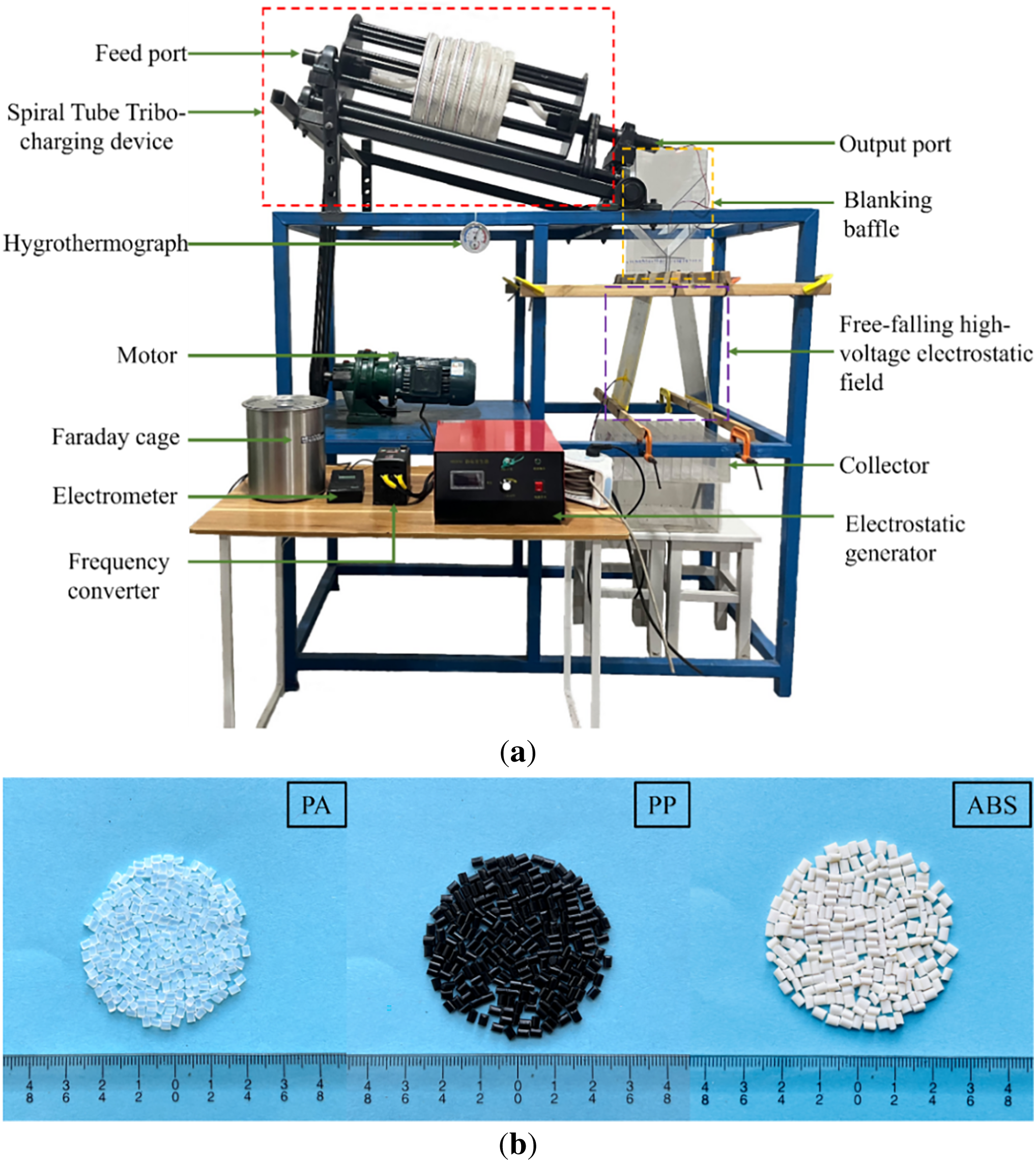
Figure 1. Experimental equipment and materials. (a) Test platform [22]; (b) Polymer particles used in the experiments
The tribo-charging test was performed by mixing 20 g of PA/PP/ABS particles in equal proportion. The charged polymer particles were collected, the average charged energy of particles was measured, and the average charge–mass ratio (CMR) of particles was calculated. CMR indicates the charging capacity of particles, and the difference in the charge–mass ratio of particles causes the variation in the horizontal displacement of particles in the electrostatic field to achieve separation. A large horizontal displacement difference leads to high separation purity. The charge–mass ratio is calculated as follows [32],
(1)
where q is the charged energy of the polymer particle, and m is the mass of the polymer particle.
The influence of spiral tube rotation speed, tilt angle, and tube length on the tribo-charging of polymer particles was studied using a single-factor test, and the optimal charge parameters were determined through an orthogonal test. Under the optimal charge parameters, the influence of the blanking baffle on the mixed polymer particles was studied.
3.2.2. Electrostatic separation
Different kinds of particles are charged with several polarities and different amounts of charges after charging in the spiral tube. The charged particles fall into the corresponding collector groove due to the different horizontal offsets caused by the electric field force. The separation effect is influenced by the electrostatic field voltage, electrode plate spacing, and tilt angle. The electric field force and horizontal offset of the particles are minimal when the voltage is excessively small and the electrode plate spacing is excessively large. An excessively large voltage not only introduces security risks but also results in particles with an excessively large electric field force. The impact of the electrode plate rebounds, affecting the separation effect. The effect of electrostatic separation is assessed by the separation purity, which is the ratio of the particle mass in the corresponding collector groove to the mass of all the polymer particles in this collector groove and is calculated as follows,
(2)
where mic is the mass of polymer i collected in the collector groove, and mtc is the mass of all the polymers in the collector groove.
COMSOL software was used to explore the influence of voltage, electrode plate spacing, and tilt angle on the motion trajectory of polymer particles in the electrostatic field, and the electrostatic field parameters were preliminarily determined. The effects of voltage, electrode plate spacing, and tilt angle on separation purity were studied using a single-factor test according to the parameters determined by numerical simulation. The optimal separation parameters were predicted by response surface test design and analysis, and electrostatic separation tests were performed under the optimal separation parameters.
4.1. Comparison between simulation and experiment
The simulation and experimental results exhibited consistent trends regarding particle outflow time, charge-mass ratio variation, and horizontal displacement. Minor differences are primarily attributed to the ideal boundary conditions in the simulation, whereas the actual experiment involves slight particle agglomeration, environmental fluctuations, and uneven dispersion. The simulation offers a reliable basis for parameter selection, and the experiment further optimizes the actual working conditions.
4.2. Determination of tribo-charging parameters
The difference in the horizontal offset of the particles in the high-voltage electrostatic field is substantial when the difference between the CMR of PP (+)/PA (hereafter defined as Difference 1) and PP (−)/ABS particles (hereafter defined as Difference 2) is large.
When the length of the spiral tube is between 8.5 and 10 m, the difference 2 is smaller than that when the length of the spiral tube is 7 m. As shown in Figure S10, the difference 2 is small when the length of the spiral tube is 4 m in the t2 period. The length of the spiral tube is preliminarily determined to be 5.5–8.5 m after comprehensive consideration.
4.2.2 Analysis of orthogonal test results
According to the single-factor test results, three factors of spiral tube rotation speed A (rpm), spiral tube tilt angle B (°), and spiral tube length C (m) were selected for the orthogonal test design, as shown in Table S4.
Taking the difference in particle charge–mass ratio between ABS and PP (−) as the evaluation index of the orthogonal test, SPSS AU software was used to conduct range analysis on the tribo-charging results. The analysis results shown in Table 1.
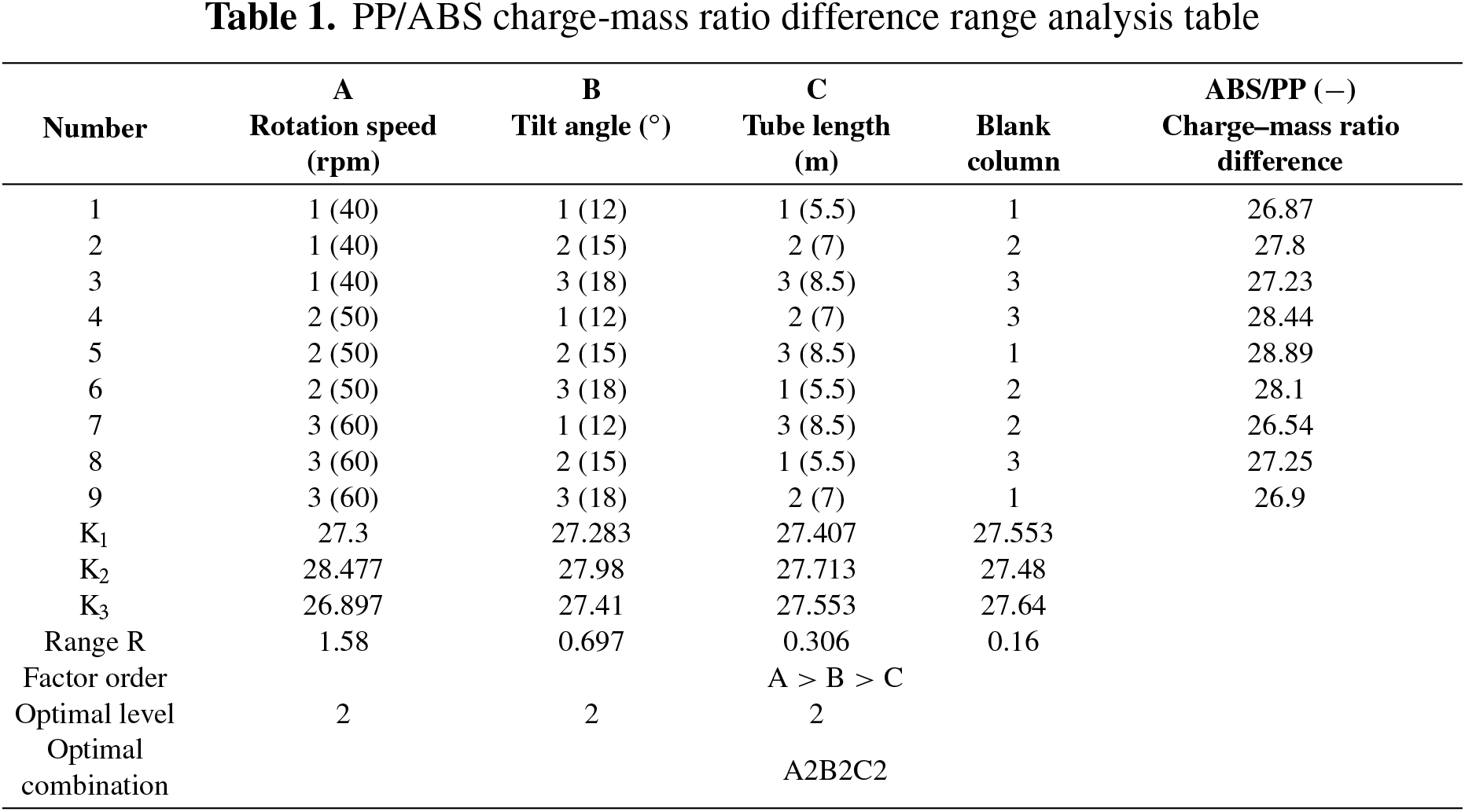
A larger range R indicates a greater influence of that factor on the response. Table 1 shows that the influence sequence of the three factors is A > B > C. The optimal horizontal combination is A2B2C2, that is, the spiral tube rotation speed is 50 rpm, the spiral tube tilt angle is 15°, and the spiral tube length is 7 m.
4.3. Influence of blanking baffle on the tribo-charging of polymer particles
Polymer particles entered the electrostatic field through the blanking baffle. The quantity of electric charge of PA/PP/ABS particles is measured at the exit of the spiral tube and the blanking baffle. The effect of the blanking baffle on the quantity of electric charge of PA/PP/ABS particles at different time periods is presented in Figure 2. After particles pass through the blanking baffle, the quantity of electric charge of PA and PP particles does not change significantly, while that of ABS particles slightly decreases. After excluding measurement errors, the slightly higher charge of particles at t3 than at t1 and t2 is attributed to the longer residence time of particles in the tube, which leads to more sufficient tribo-charging.
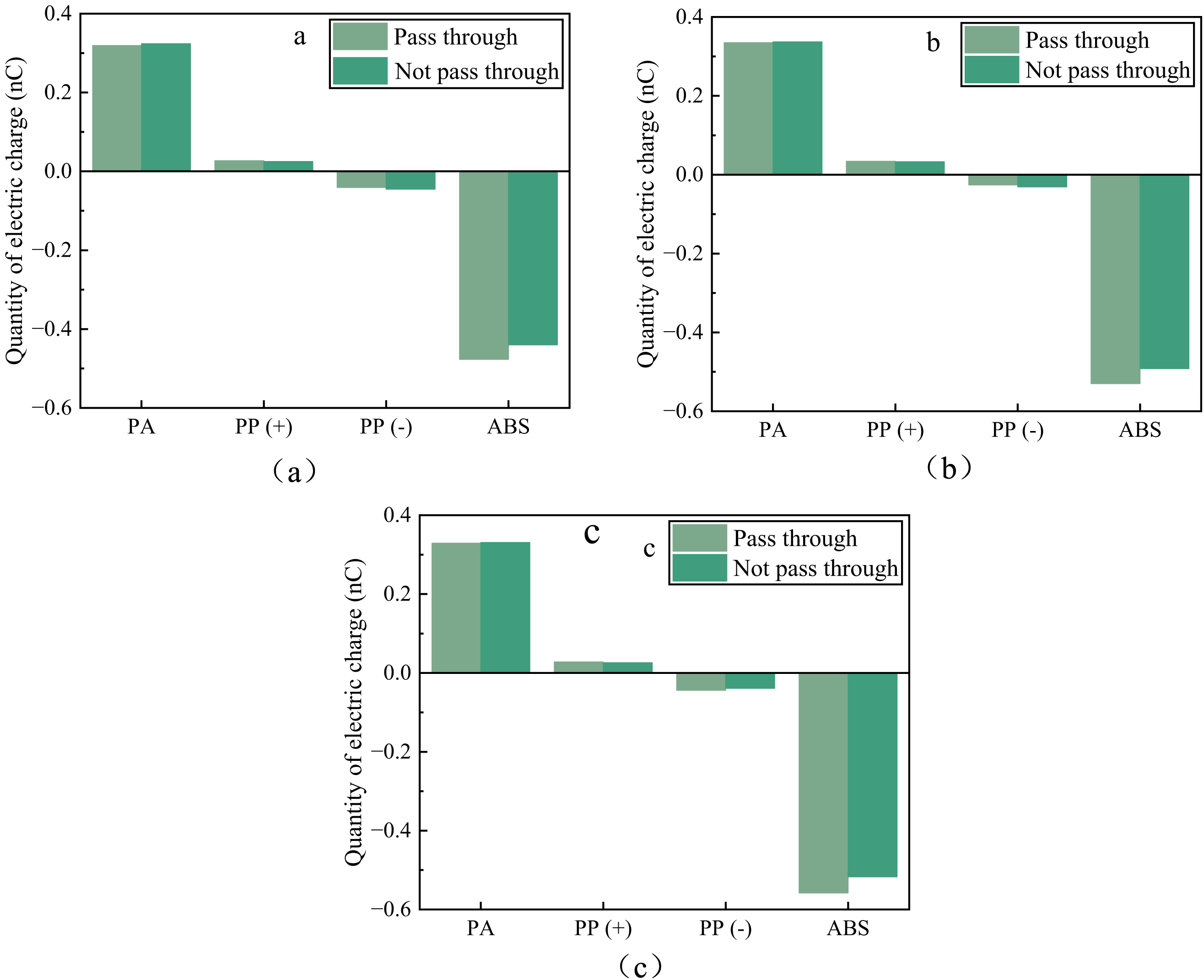
Figure 2. Quantity of electric charge of PA/PP/ABS particles affected by the blanking baffle: (a) is time t1; (b) is time t2;(c) is time t3
4.4. Determination of electrostatic separation parameters
4.4.1. Numerical simulation results
Based on COMSOL simulation, the safe and effective ranges of electrostatic parameters were determined in Table 2.
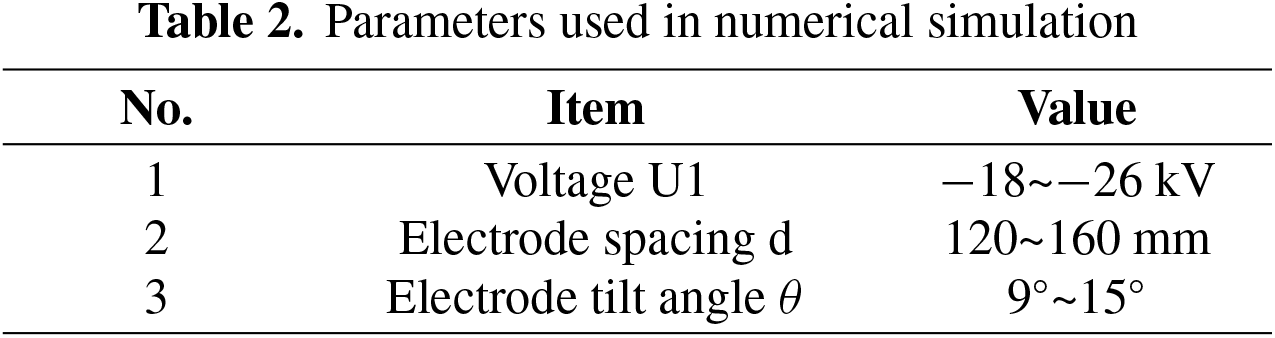
These ranges avoid particle–electrode collision while ensuring sufficient horizontal displacement difference.
As shown in Figure 3a, when U1 = −22 kV, the purity of PA and ABS particles simultaneously reaches the highest. U1 has a considerable influence on the purity of PP particles. When U1 is −18–−30 KV, the separation purity of PP particles increases with U1. However, particle collision occurs when U1 = −30 KV, reducing the separation purity of PA and ABS particles. Therefore, U1 was preliminarily determined as −18–−26 kV.
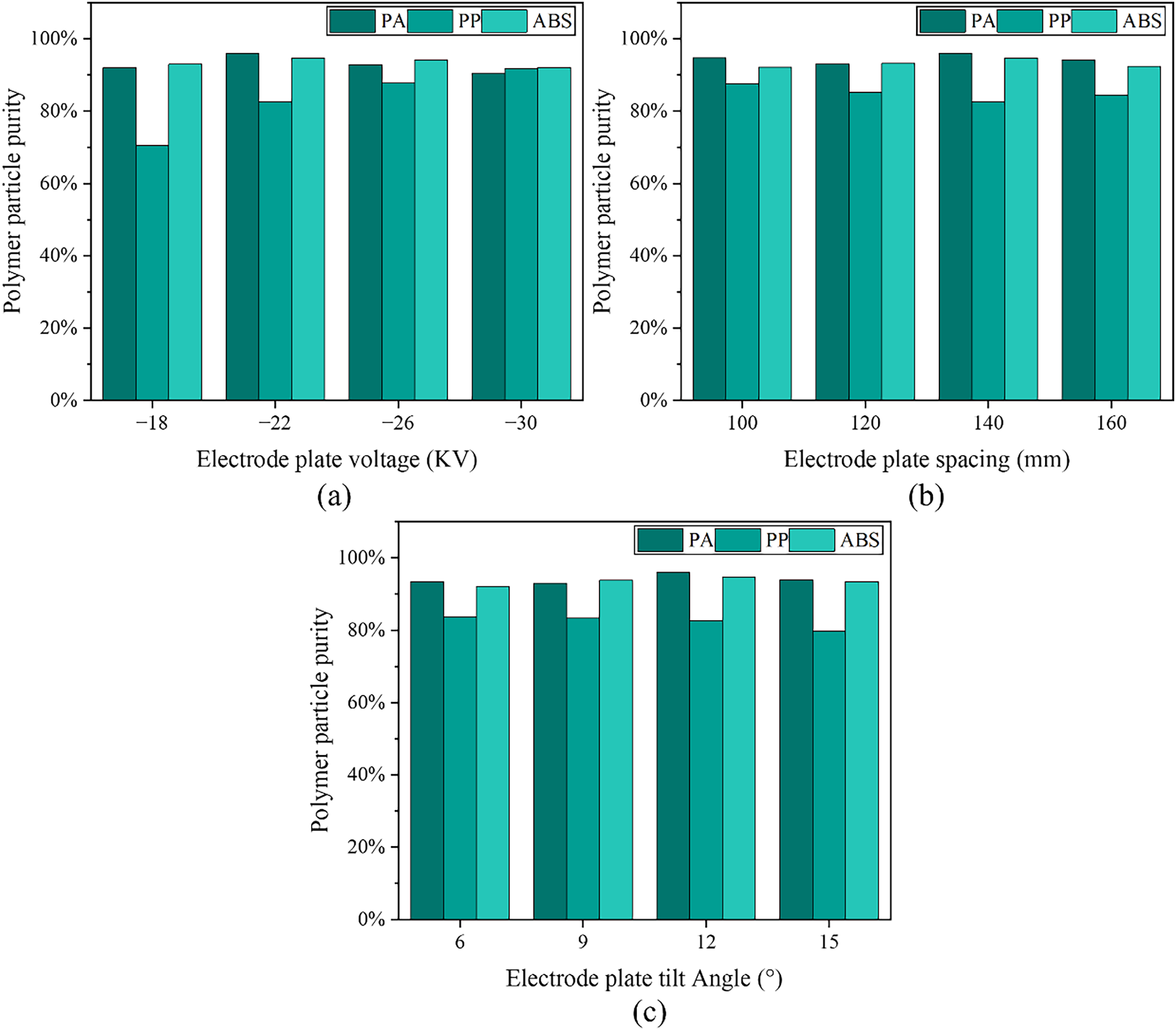
Figure 3. Separation purity of PA/PP/ABS mixed particles is affected by various factors: (a) Separation purity of particles at different electrode plate voltages U1 (−18~−30 kV); (b) Separation purity of particles at different plate spacings d (100~160 mm); (c) Separation purity of particles at different plate inclination angles θ (6°~15°)
As shown in Figure 3b, the separation purity of PA and ABS particles is higher than that of PP particles. When d = 140 mm, the separation purity of PA and ABS particles is high. The separation purity of PP particles decreases with an increase in d. Therefore, d is preliminarily determined to be 120–160 mm.
As shown in Figure 3c, the separation purity of PA and ABS particles is higher than that of PP particles. When = 12°, the separation purity of PA and ABS particles is high. With the increase in , the separation purity of PP particles decreases. Therefore, is preliminarily determined to be 9°–15°.
4.4.3. Response surface test analysis
Three factors of electrode plate voltage (A), electrode plate spacing (B), and electrode plate tilt angle (C) were selected for response surface design according to the single-factor test results, and the results are presented in Table 3.
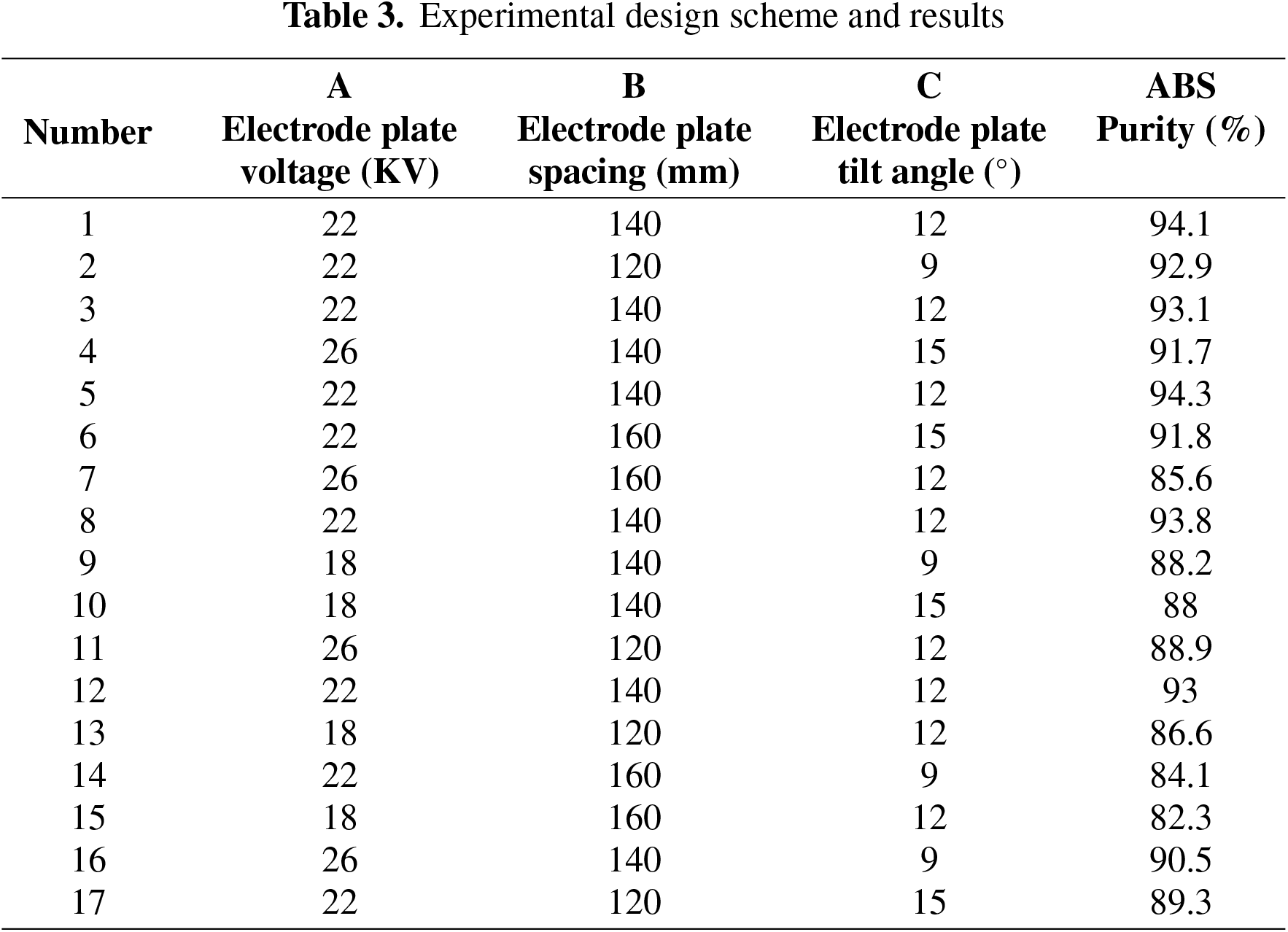
The results of ABS purity in Table 3 were analyzed using Design-Expert 13 software, and the quadratic polynomial regression equation was obtained via fitting. The results of variance analysis of the regression model as follows,
(3)
As shown in Table 4, p < 0.0001 indicates that the model is extremely significant. The missing item, p = 0.3671 > 0.05, indicates that the missing item is not significant, implying that the equation is well-fitted and the model has high reliability. The R2 of the fitted model is 0.9871, and the difference between the predicted R2 = 0.8845 and the adjusted R2 = 0.9704 is less than 0.2, indicating a high degree of agreement between the predicted and actual values. Therefore, this model can effectively reflect the relationship between various factors and the response value in the process of particle electrostatic separation and predict the optimal electrostatic field parameters. The p values in the table reveal that the effects of voltage A, electrode plate spacing B, interaction terms BC, and secondary terms A2 and B2 on ABS particle purity are extremely significant (p < 0.01); the effect of electrode plate tilt angle C on ABS particle purity is significant (p < 0.05); and the AB, AC, and C2 items are not significant (p > 0.05). The F value in the table indicates that the order of influence of three factors on the purity of ABS particles is as follows: B > A > C, that is, electrode plate spacing > electrode plate voltage > electrode plate tilt angle, respectively.
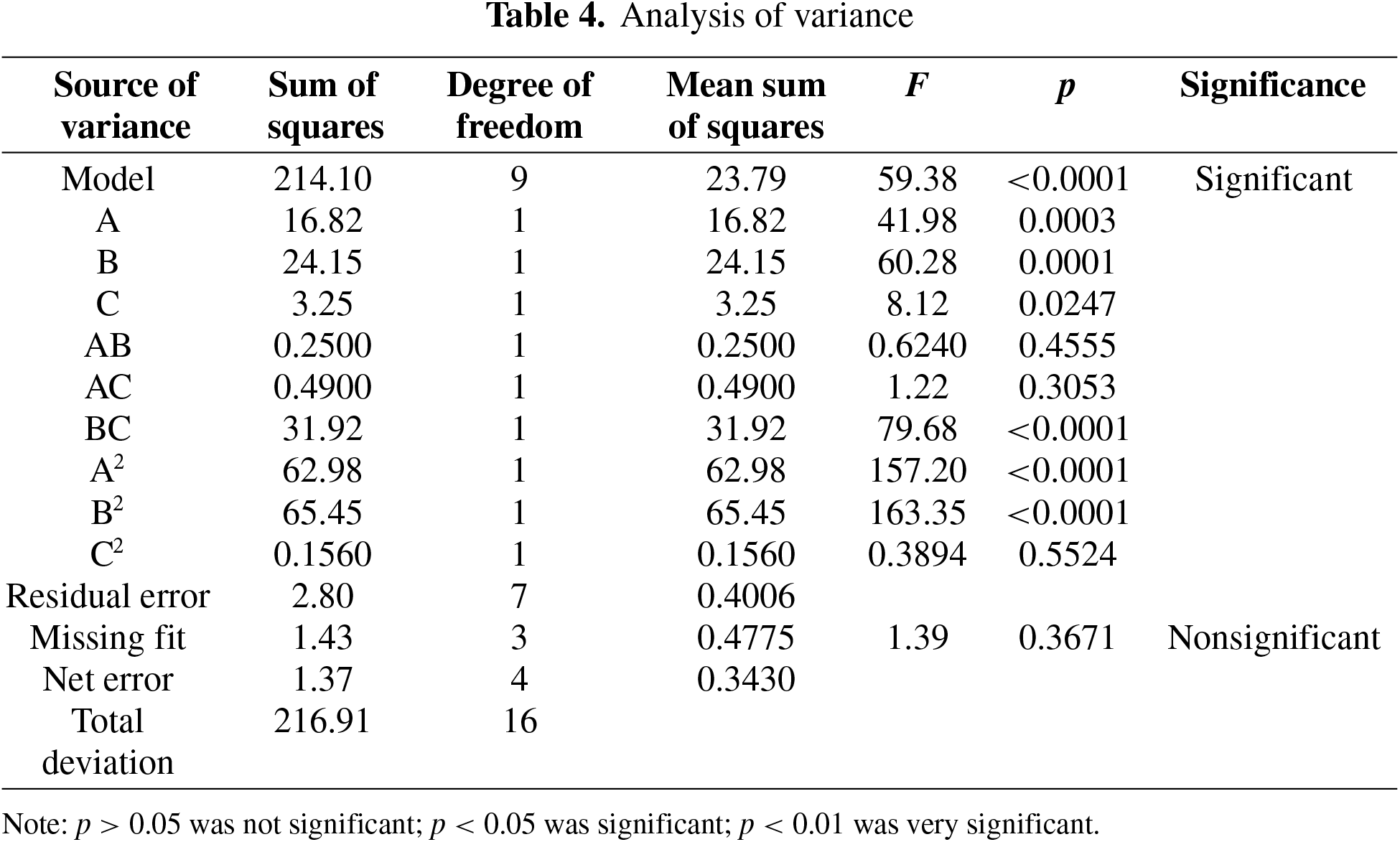
Figure 4 shows the response surface diagram and contour projection of the influence of interaction between factors on ABS particle purity. The response surface and contour map can directly reflect the impact of interaction on the response value. A steep surface and dense contour lines demonstrate a substantial impact, and the interaction between the two factors strengthens when the contour line is close to the ellipse. Therefore, the interaction between electrode plate spacing and tilt angle is extremely significant, and the interaction between factors AB and AC on ABS particle purity is insignificant.
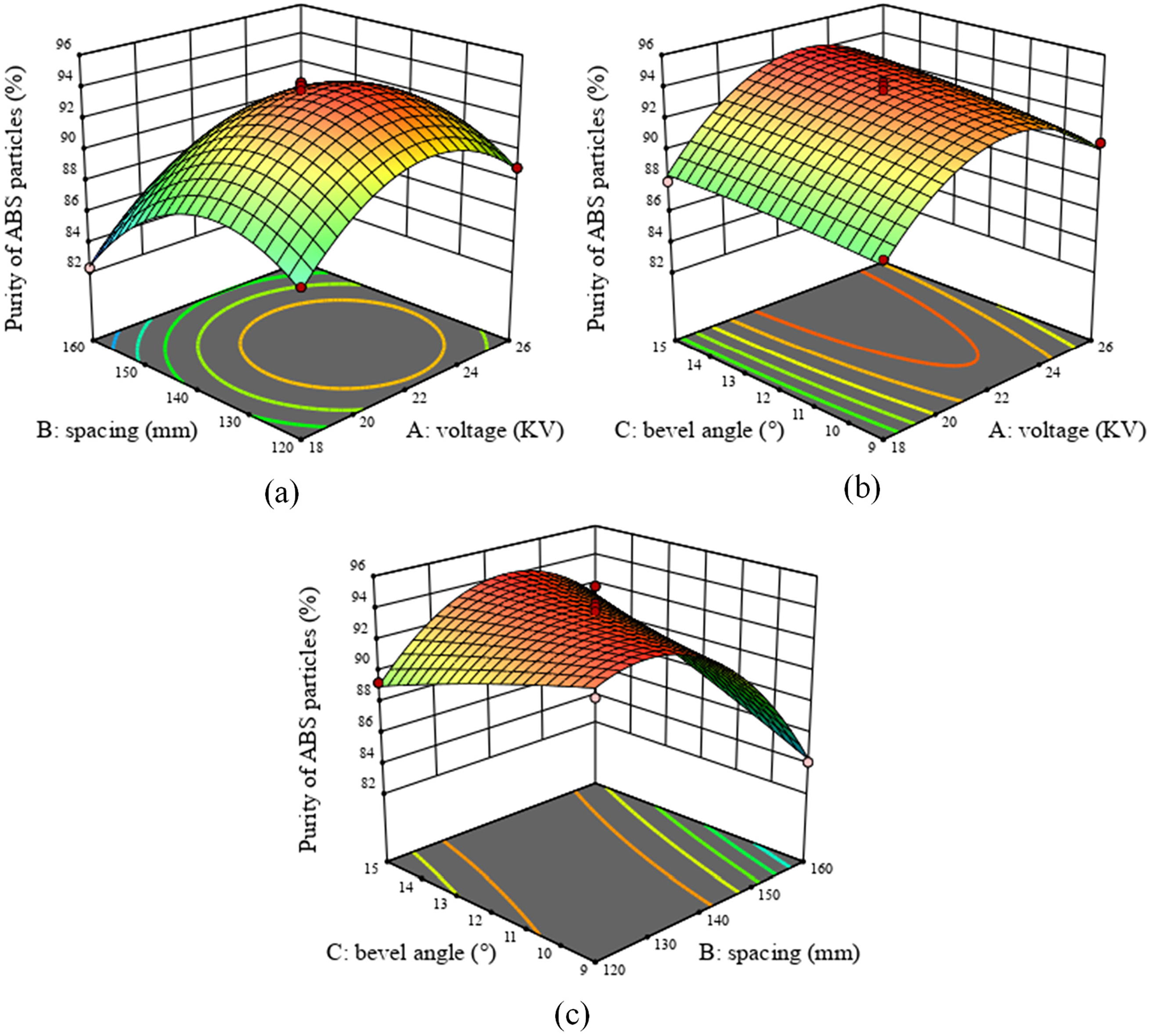
Figure 4. Response surface of influencing factors: (a) Response surface of the interaction between electrode plate voltage and spacing on ABS particle separation purity; (b) Response surface of the interaction between electrode plate voltage and tilt angle on ABS particle separation purity; (c) Response surface of the interaction between electrode plate spacing and tilt angle on ABS particle separation purity
Under the optimal electrostatic conditions (−22.966 kV, 142.23 mm, 14.938°), the separation purity of PA and ABS exceeded 94% (94.3% and 94.6%, respectively), while PP purity reached 84.1%. The test results are shown in Figure 5, The separation purity of PA and ABS particles both exceeded 94%, and that of ABS particles reached 94.6%, which was consistent with the predicted purity. The purity of PP particles was slightly low (84.1%).
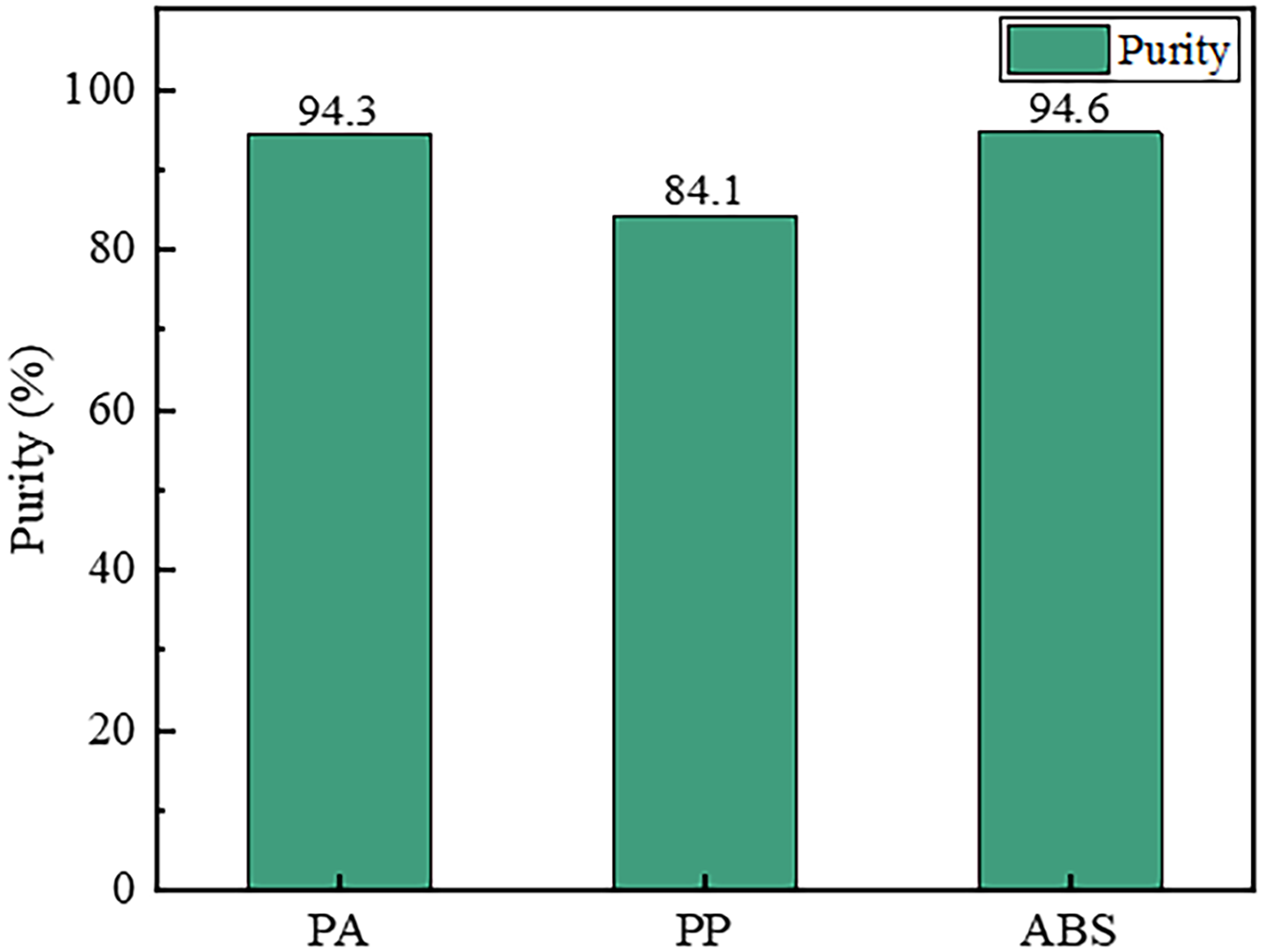
Figure 5. PA/PP/ABS particle separation purity
The tribo-charging and electrostatic separation of PA/PP/ABS ternary mixtures were investigated using a custom-built spiral tube tribo-charger coupled with a free-fall separator. The conclusions are presented as follows:
(1) The spiral tube tribo-charging device effectively enhances charging uniformity by regulating particle motion behavior. EDEM simulations revealed that rotation speed, tilt angle, and tube length jointly influence collision frequency and residence time. Orthogonal test results confirm that rotational speed (range R = 1.58) exerts the most significant influence on the charge-mass ratio (CMR) difference of particles, followed by tilt angle (R = 0.697) and tube length (R = 0.306). Under the optimal charging parameters (50 rpm, 15°, 7 m), the CMR difference between ABS and PP (−) reaches 28.89 nC/g, laying a critical foundation for high-purity separation.
(2) COMSOL simulation and response surface optimization efficiently determine the electrostatic separation parameters. Variance analysis indicates that electrode plate spacing (F = 60.28, p = 0.0001) is the dominant factor affecting ABS purity, followed by electrode plate voltage (F = 41.98, p = 0.0003) and tilt angle (F = 8.12, p = 0.0247). The interaction between spacing and tilt angle also significantly influences separation performance (F = 79.68, p < 0.0001). Under the optimal electrostatic parameters (−22.966 KV, 142.23 mm, 14.938°), the separation purity of PA and ABS exceeds 94% (94.3% and 94.6%, respectively), while PP achieves a purity of 84.1%.
Acknowledgement: We gratefully acknowledge the research group of Professor Chen Ming at the Institute of Biomedical Manufacturing and Life Quality Engineering, Shanghai Jiao Tong University, for their generous support in providing the charge measurement equipment.
Funding Statement: This work was supported by the Yunnan Fundamental Research Projects (No. 202401AT070350), and Yunnan Province Xingdian Talent Support Plan (No. KKXX202401047), National Natural Science Foundation of China (No. 52065034).
Author Contributions: Hongshen Zhang: study conception, methodology design, result analysis; Qi Zhao: manuscript revision, industrial technical consultation; Pengfei Liu: experiment implementation, data collection, original draft writing; Xiang Gao: experiment implementation, data collection; Hongyi Wang: manuscript revision and polishing, result interpretation. All authors reviewed and approved the final version of the manuscript.
Availability of Data and Materials: All data of this research are included in the article.
Ethics Approval: Not applicable.
Conflicts of Interest: The authors declare that they have no known competing financial interests or personal relationships that could have appeared to influence the work reported in this paper.
Supplementary Materials: The supplementary material is available online at https://www.techscience.com/doi/10.32604/mp.2026.083311/s1.
How to Cite this Article
References
- Organisation Internationale des Constructeurs d’Automobiles (OICA). Production statistics [Internet]. [cited 2026 Mar 19]. Available from: https://oica.net/production-statistics/.
- Hao H, Zhang Q, Wang Z, Zhang J. Forecasting the number of end-of-life vehicles using a hybrid model based on grey model and artificial neural network. J Clean Prod. 2018;202(2):684–96. doi:10.1016/j.jclepro.2018.08.176. DOI
- Li Y, Liu Y, Chen Y, Huang S, Ju Y. Projection of end-of-life vehicle population and recyclable metal resources: provincial-level gaps in China. Sustain Prod Consum. 2022;31(2):818–27. doi:10.1016/j.spc.2022.03.034. DOI
- Liu M, Chen X, Zhang M, Lv X, Wang H, Chen Z, et al. End-of-life passenger vehicles recycling decision system in China based on dynamic material flow analysis and life cycle assessment. Waste Manag. 2020;117(1):81–92. doi:10.1016/j.wasman.2020.08.002. DOI
- Jang YC, Choi K, Jeong JH, Kim H, Kim JG. Recycling and material-flow analysis of end-of-life vehicles towards resource circulation in South Korea. Sustainability. 2022;14(3):1270. doi:10.3390/su14031270. DOI
- Zhou F, Lim MK, He Y, Lin Y, Chen S. End-of-life vehicle (ELV) recycling management: improving performance using an ISM approach. J Clean Prod. 2019;228(1):231–43. doi:10.1016/j.jclepro.2019.04.182. DOI
- Wu C, Li Y, Zhang Y, Liu Y, Huang S, Ju Y. Long-term estimation of plastic material resources from end-of-life vehicles in China: a scenario analysis considering multiple industry standards. J Mater Cycles Waste Manag. 2022;24(3):1083–94. doi:10.1007/s10163-022-01380-2. DOI
- Martinez Sanz V, Morales Serrano A, Schlummer M. A mini-review of the physical recycling methods for plastic parts in end-of-life vehicles. Waste Manag Res. 2022;40(12):1757–65. doi:10.1177/0734242x221094917. DOI
- Jia C, Das P, Kim I, Yoon YJ, Tay CY, Lee JM. Applications, treatments, and reuse of plastics from electrical and electronic equipment. J Ind Eng Chem. 2022;110(1):84–99. doi:10.1016/j.jiec.2022.03.026. DOI
- Rafiq A, Xu JL. Microplastics in waste management systems: a review of analytical methods, challenges and prospects. Waste Manag. 2023;171:54–70. doi:10.1016/j.wasman.2023.08.015. DOI
- Kalali EN, Lotfian S, Entezar Shabestari M, Khayatzadeh S, Zhao C, Yazdani Nezhad H. A critical review of the current progress of plastic waste recycling technology in structural materials. Curr Opin Green Sustain Chem. 2023;40:100763. doi:10.1016/j.cogsc.2023.100763. DOI
- Lim J, Ahn Y, Kim J. Optimal sorting and recycling of plastic waste as a renewable energy resource considering economic feasibility and environmental pollution. Process Saf Environ Prot. 2023;169:685–96. doi:10.1016/j.psep.2022.11.027. DOI
- Zhang Y, Wang Q, Yalikun N, Wang H, Wang C, Jiang H. A comprehensive review of separation technologies for waste plastics in urban mine. Resour Conserv Recycl. 2023;197:107087. doi:10.1016/j.resconrec.2023.107087. DOI
- Bauer M, Lehner M, Schwabl D, Flachberger H, Kranzinger L, Pomberger R, et al. Sink-float density separation of post-consumer plastics for feedstock recycling. J Mater Cycles Waste Manag. 2018;20(3):1781–91. doi:10.1007/s10163-018-0748-z. DOI
- Li Y, Chen P, Tang Y, Yang Y, Zhou C, Bu J, et al. Microplastics in water: a review of characterization and removal methods. Sustainability. 2024;16(10):4033. doi:10.3390/su16104033. DOI
- Zhang Y, Li C, Wang L, Wang H. Application of froth flotation in the separation of polyvinyl chloride and polycarbonate for recycling of waste plastic based on a novel surface modification. Waste Manag. 2020;110:43–52. doi:10.1016/j.wasman.2020.05.009. DOI
- Zhao Y, Han F, Guo L, Singh S, Zhang H, Zhang J. Flotation separation of hazardous polyvinyl chloride from waste plastics based on green plasma modification. J Clean Prod. 2021;318:128569. doi:10.1016/j.jclepro.2021.128569. DOI
- Adarsh UK, Bhoje Gowd E, Bankapur A, Kartha VB, Chidangil S, Unnikrishnan VK. Development of an inter-confirmatory plastic characterization system using spectroscopic techniques for waste management. Waste Manag. 2022;150:339–51. doi:10.1016/j.wasman.2022.07.025. DOI
- Rozenstein O, Puckrin E, Adamowski J. Development of a new approach based on midwave infrared spectroscopy for post-consumer black plastic waste sorting in the recycling industry. Waste Manag. 2017;68:38–44. doi:10.1016/j.wasman.2017.07.023. DOI
- He X, Sun H, Wang W, Zhang X. Predictions of triboelectrostatic separation of minerals in low-rank coal based on surface charging characteristics in relation to their structures. Fuel. 2020;264:116824. doi:10.1016/j.fuel.2019.116824. DOI
- Dascalescu L, Zeghloul T, Medles K, Iuga A. Recent advances in the electrostatic separation of particulate matter. J Electrost. 2025;134:104036. doi:10.1016/j.elstat.2025.104036. DOI
- Zhang H, Liu P, Gao X, Zhao R. Recycling mixed polymer particles using a spiral tube tribo-electrostatic separation device. Polym Eng Sci. 2024;64(11):5675–87. doi:10.1002/pen.26944. DOI
- Zhang H, Gao X, Xu S. Tribo-charging and electrostatic separation of vehicle polymer particles using a new type of fluidized bed. Process Saf Environ Prot. 2023;178(4):331–41. doi:10.1016/j.psep.2023.08.038. DOI
- Achouri IE, Boukhoulda MF, Medles K, Richard G, Zeghloul T, Dascalescu L. Electrostatic separation of tribocharged granular mixtures of two or more plastics originating from WEEE. IEEE Trans Ind Appl. 2022;58(6):7701–8. doi:10.1109/tia.2022.3197544. DOI
- Calin L, Cătinean A, Bilici M, Dăscălescu L, Samuilă A. Electrostatic separation of HIPS/ABS and HIPS/ABS-PC plastic mixtures from IT equipment using fluidized bed tribocharging. Part Sci Technol. 2022;40(1):113–22. doi:10.1080/02726351.2021.1922560. DOI
- Kimi IE, Miloudi M, Touhami S, Fekir DE, Tilmatine A. Experimental investigation of a modified free-fall tribo-electrostatic separator with rotating electrodes. Part Sci Technol. 2022;40(2):243–51. doi:10.1080/02726351.2021.1929608. DOI
- Maammar M, Zeghloul T, Aksa W, Touhami S, Achouri I, Dascalescu L. Factors that influence the trajectories of charged insulating particles in roll-type electrostatic separators. J Electrost. 2022;115(3):103672. doi:10.1016/j.elstat.2022.103672. DOI
- Moulai H, Menad NE, Zeghloul T, Medles K, Achouri IE, Dascalescu L. Electrostatic separation of valuable metals from finely-ground WEEE. IEEE Trans Ind Appl. 2025;61(3):4283–9. doi:10.1109/TIA.2025.3541617. DOI
- Achouri IE, Richard G, Zeghloul T, Medles K, Dascalescu L. New vibrating-table-type tribo-electrostatic separator for selective sorting of granular plastic wastes. IEEE Trans Ind Appl. 2024;60(2):3537–42. doi:10.1109/TIA.2023.3340633. DOI
- Li Y, Wang Z, Chen M, Cao J, Cai N, Peng Y, et al. Automated TES analysis for polymer recycling via NeuroSymbolic AI. Process Saf Environ Prot. 2025;204:108040. doi:10.1016/j.psep.2025.108040. DOI
- Li T, Yu D, Zhang H. Triboelectrostatic separation of polypropylene, polyurethane, and polyvinylchloride used in passenger vehicles. Waste Manag. 2018;73(4):54–61. doi:10.1016/j.wasman.2017.12.008. DOI
- Li J, Xu Z. Compound tribo-electrostatic separation for recycling mixed plastic waste. J Hazard Mater. 2019;367:43–9. doi:10.1016/j.jhazmat.2018.12.017. DOI